Introduction
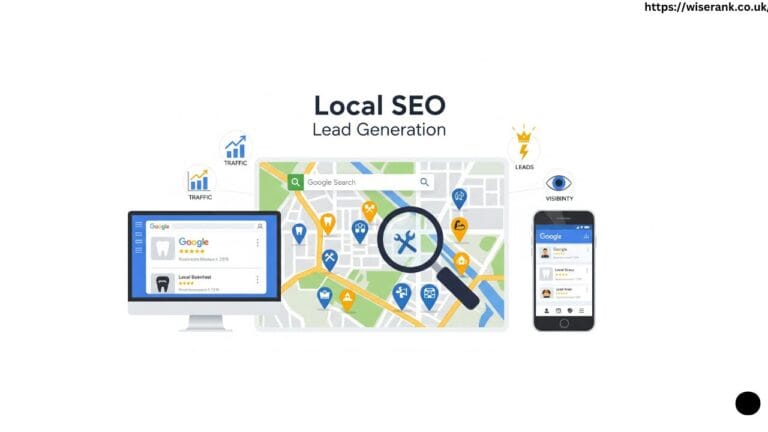
Local SEO refers to all the activities you perform to improve your business visibility in location-based search results. While organic SEO focuses on ranking for broad keywords, local SEO helps your business appear when people search for services near them.
When someone searches “best coffee shop near me” or “plumber in Manchester,” search engines like Google show results based on location. Local SEO ensures your business appears in those results when potential customers are actively looking for what you offer.
Understanding Local SEO and Why It Matters
Local SEO is the process of optimizing your online presence to attract more customers from relevant local searches. The primary goal is to connect local businesses with local customers at the exact moment they need your products or services.

The most important local SEO elements include your Google Business Profile, local citations, customer reviews, and location-specific content. Modern local SEO also covers NAP consistency, local link building, mobile optimization, and overall community presence.
Core Components of Local SEO
Google Business Profile Optimization
Your Google Business Profile serves as the foundation of local SEO success. Complete optimization means filling every section with accurate information including business name, address, phone number, website, hours, and service details.
Many businesses miss critical optimization opportunities when setting up their Google Business Profile. Regular updates through posts, photos, and responses keep your profile active and engaging.
NAP Consistency Across the Web
NAP stands for Name, Address, and Phone number. Keeping this information identical across all online platforms is essential for local SEO success.
Even small differences like using “Street” on one site and “St” on another can confuse search engines. Understanding why NAP consistency matters helps you avoid common mistakes that damage local rankings.
Local Citations and Directory Listings
Local citations are online mentions of your business name, address, and phone number on other websites. Quality matters more than quantity when building citations. Learn from this local SEO guide on building quality citations.
On average, businesses ranking on the first page have around 80 citations, with some sectors requiring more. Knowing which directories work best saves time and maximizes impact.
Customer Reviews and Reputation
Customer reviews have become one of the most powerful ranking signals for local SEO. They influence both your search rankings and whether potential customers choose your business.
Google pays close attention to review quantity, ratings, frequency, and content. Learning about customer review importance helps you build a sustainable generation strategy.
Local Link Building
Link building for local SEO differs from traditional SEO. You want links from local sources that signal to Google your business is an active community member.
Local news websites, community blogs, and business associations provide valuable local links. Smart businesses implement local link building strategies to build authority within their communities.
Key Local SEO Ranking Factors You Need to Know
Google uses hundreds of signals to determine which businesses appear in local search results. Understanding the major local SEO ranking factors helps you focus efforts on what truly matters.

Proximity to the searcher plays a huge role. Relevance determines whether your business matches what the searcher wants. Prominence refers to how well-known your business is online and offline.
Managing SEO for Multi-Location Businesses
Each location needs its own strategy while maintaining brand consistency. Create separate Google Business Profiles for each location and build individual location pages with unique content.
Businesses with multiple locations need specialized multi-location SEO approaches to maximize visibility in each market.
How to Optimize Service-Area Businesses for SEO?
Service-area businesses serve customers across regions rather than at fixed locations. Specify which cities or regions you cover in your Google Business Profile. Understanding service-area business optimization techniques helps you compete effectively without a storefront.
Setting Up Service Areas in Google Business Profile
Configure your Google Business Profile to hide street address while displaying service areas. Specify exact cities, ZIP codes, or regions covered by your services for accurate targeting.
Creating Location-Specific Content Without a Physical Address
Develop dedicated pages for each service area with unique valuable content. Include local landmarks, neighborhood information, service case studies from that area, and location-specific testimonials from customers.
Building Local Citations for Service-Area Businesses
List your business on directories that allow service area specifications. Focus on industry-specific directories, service marketplace platforms, and local business associations that understand mobile service models.
Earning Local Links Without a Storefront
Sponsor local community events, partner with brick-and-mortar businesses in service areas, contribute to local blogs and news sites, and participate actively in chamber of commerce activities across regions served.
Voice Search and the Future of Near Me Searches
Voice searches tend to be longer and more conversational. Focus on question-based content through FAQ pages and blog posts.
The future of voice search and local SEO requires adapting to conversational queries and immediate answers.
Mobile Optimization and Its Impact on Local SEO
Most local searches happen on mobile devices. Your site needs to load quickly on mobile networks with easy-to-find information.

Understanding mobile optimization’s impact helps prioritize mobile-first design decisions.
Local SEO vs Organic SEO: Key Differences
Local SEO focuses specifically on geographic searches while organic SEO aims to rank for broader keywords. Local searches trigger the “Local Pack” showing three businesses with map locations.
Knowing the key differences between local and organic SEO helps you allocate resources effectively.
Core Differences Between Approaches
Key distinctions that separate local and organic SEO:
- Local SEO targets geographic-specific searches; organic SEO targets broader keywords
- Local results show Local Pack with maps; organic shows standard blue links
- Google Business Profile critical for local; less important for organic
- NAP consistency essential for local; not applicable to organic
- Local citations boost local rankings; general backlinks boost organic
- Customer reviews impact local heavily; reviews less critical for organic
- Service area matters for local; geographic location less relevant for organic
- Mobile optimization crucial for local; important but less critical for organic
Google Maps SEO Ranking Strategies
Your Google Business Profile directly impacts Maps rankings. Complete every section, choose accurate categories, and regularly update your profile. Advanced Google Maps ranking strategies can dramatically improve your visibility in local map results.
Complete Google Business Profile Optimization
Fill every section of your profile with accurate detailed information. Add business categories, attributes, services, products, and descriptions that match what customers search for.
Encouraging Direction Requests and Calls
Getting directions requests and phone calls from your listing sends positive engagement signals. Make contact information prominently visible and encourage customers to use Google features.
Uploading High-Quality Photos Regularly
Add fresh photos of storefront, interior, products, team, and completed work monthly. Google prioritizes businesses with recent visual content that helps customers make decisions.
Posting Updates and Offers Consistently
Publish Google Posts weekly about offers, events, updates, and news. Active profiles with fresh content signal business relevance and engagement to Google’s algorithm.
Managing and Responding to Reviews
Respond to every review within 24-48 hours professionally. Thank positive reviewers and address negative feedback constructively to show potential customers you value their experience.
Schema Markup for Local Business Visibility (Bullet Points)
Enhance search presence with structured data:
- Implement LocalBusiness schema markup on homepage
- Add organization and contact information schema
- Include business hours and services in structured format
- Mark up customer reviews with Review schema
- Use Product schema for inventory items
- Add Event schema for local community events
- Test implementation with Google’s Rich Results Tool
Creating Effective Geo-Targeted Landing Pages
Each page should contain unique, valuable content about specific locations. Include local landmarks, neighborhood information, and testimonials from customers in that area.

Following geo-targeted landing page best practices ensures your location pages perform well in search results.
Local SEO Content Ideas for Small Businesses
Write about local events, seasonal topics, and community news. Interview local business owners or create neighborhood guides. Generate engaging topics with these local SEO content ideas that connect with your community and attract natural backlinks.
Local Event Coverage and Community News
Write about upcoming local festivals, charity events, seasonal happenings, and community initiatives. Cover local news from a business perspective and highlight how events impact your industry or customers.
Neighborhood and Area Guides
Create comprehensive guides to neighborhoods you serve including local attractions, dining options, shopping areas, schools, parks, and community resources. Position your business as the local expert.
Local Customer Case Studies and Success Stories
Feature real customers from specific areas with detailed success stories. Include photos, testimonials, quotes, and specific results achieved. Mention neighborhood names and local landmarks naturally.
Seasonal and Holiday Content for Your Area
Develop content around local seasonal events, regional holidays, weather-specific needs, and area traditions. Address how your products or services help during local seasonal challenges.
Local Business Partnerships and Collaborations
Interview other local business owners, create collaboration spotlights, feature community leaders, and write about local business ecosystem. Build relationships while creating linkable content.
Your Local SEO Checklist for 2025
First, claim and optimize your Google Business Profile completely. Second, audit your NAP consistency across all platforms. Third, build citations on major directories. A complete local SEO checklist keeps your optimization efforts organized and effective.
Conclusion
Local SEO builds your business visibility in location-based search results where potential customers are actively looking for services like yours. Success requires patience and commitment to ethical practices.
The strategies covered in this guide provide a comprehensive foundation for building effective local SEO. Implement them thoughtfully, measure your results, and adjust based on what works for your specific situation.