Healthcare providers across the UK are increasingly investing in specialized SEO to stay competitive in a digital-first environment. A well-planned healthcare SEO agency in the UK helps clinics, hospitals, and medical professionals improve online visibility, attract local patients, and build long-term trust through compliant, patient-focused SEO strategies designed specifically for the healthcare industry.

This guide explains why healthcare providers need SEO in 2026. It covers every essential aspect from local SEO to technical compliance, mobile optimization, content strategy, and future trends. Every section includes examples, practical advice, and clear explanations to help providers and healthcare marketers understand and implement effective SEO strategies.
What Healthcare SEO Means in Simple Words
Healthcare SEO is the process of optimizing a medical website so patients can easily find it online. It ensures that doctors, clinics, hospitals, and other healthcare providers appear prominently on search engines when patients search for relevant medical services.
Healthcare SEO focuses on:
- Helping patients discover providers at the exact moment they need care.
- Building trust by sharing accurate and verified medical information.
- Improving online visibility for local searches.
- Making websites user-friendly, especially on mobile devices.
Unlike general SEO, healthcare SEO also emphasizes compliance, patient safety, and authority, which are critical in medical searches.
Example: When a patient searches “pediatric clinic near me,” a well-optimized local website appears at the top of Google Maps results, increasing patient inquiries and appointments.
Why Healthcare Providers Cannot Ignore SEO in 2026
The way patients search for healthcare has changed drastically. Today, most medical decisions start online. SEO ensures healthcare providers connect with patients at the exact moment they are searching for care.

Patients Begin Their Healthcare Journey Online
Studies show that over 80% of patients search online before booking appointments. They use queries like:
- “Doctor near me”
- “Best dentist in London”
- “Pediatric clinic for vaccination”
Without SEO, healthcare providers remain invisible during these high-intent searches, losing potential patients to competitors who are optimized for search engines.
Example: A dermatology clinic optimized for “skin specialist near me” saw a 60% increase in new patient inquiries within six months.
Building Trust and Credibility
Trust is crucial in healthcare. Google also prioritizes authoritative and credible content, especially for medical searches. EEAT (Experience, Expertise, Authoritativeness, and Trustworthiness) is central to healthcare SEO.
SEO helps providers build trust by:
- Showcasing verified credentials and experience.
- Displaying patient reviews and testimonials.
- Linking to authoritative sources and references.
- Providing accurate and secure content.
A patient is more likely to choose a provider who appears trustworthy and credible online.
How Google Search Has Changed for Healthcare in 2026
Google now evaluates content for trust, accuracy, and usefulness, especially for medical queries. Google officially explains these expectations through its Google Search Central guidelines, which emphasize helpful, trustworthy, and user-focused content for sensitive topics like healthcare. Healthcare SEO must align with these changes.
EEAT and Medical Authority
EEAT ensures that content is evaluated for quality and reliability. Google looks for:
- Real-world medical experience and qualifications of authors.
- References to authoritative medical sources.
- Verified doctor profiles and clinic credentials.
- Transparent and secure websites.
Providers that focus on EEAT gain higher visibility and trust among patients.
AI Search and Future Visibility
The Google Search Generative Experience (SGE) now summarizes answers directly in search results. Healthcare providers optimized for AI-driven search are more likely to appear as authoritative sources.
Example: A multispecialty hospital optimized for content clusters and patient education topics appeared in featured snippets, increasing web traffic and appointment requests.
The Importance of Local SEO for Clinics, Hospitals, and Doctors
Most healthcare searches are local. Patients prefer nearby providers for convenience and accessibility. Local SEO ensures that clinics, hospitals, and doctors appear prominently in location-based searches.

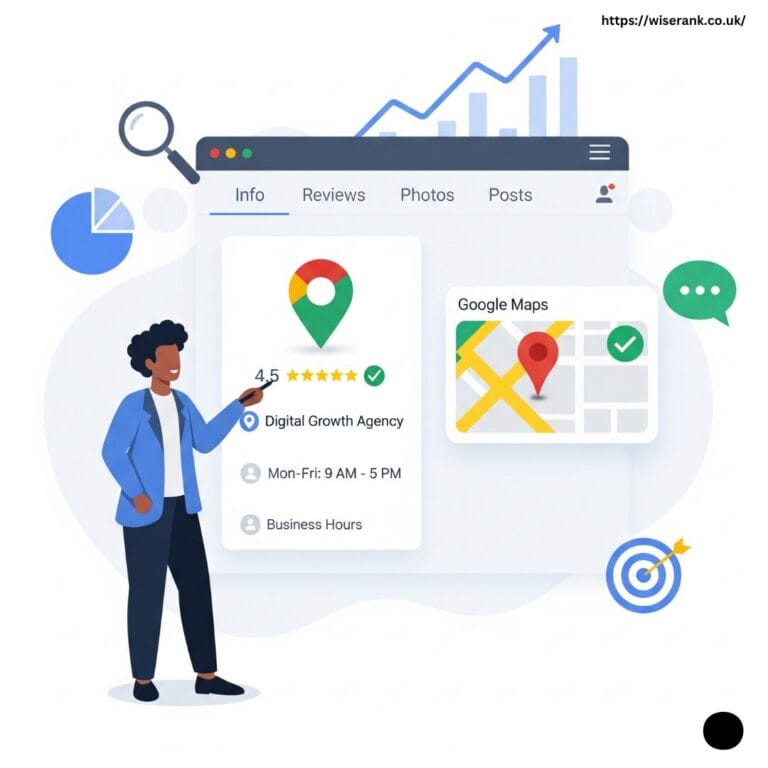
Google Business Profile Optimization
A complete Google Business Profile improves local visibility. Providers should:
- List accurate NAP (Name, Address, Phone)
- Include services, working hours, and specialties
- Add high-quality images and regular updates
Example: A dental clinic optimized its Google Business Profile and gained 35% more patient bookings within four months.
Local Citations and Reviews
Local citations across directories and review platforms help Google verify credibility. Patient reviews signal trustworthiness and influence rankings.
Tips:
- Encourage patients to leave reviews.
- Respond professionally to feedback.
- Monitor reputation across Healthgrades, RateMDs, and Yelp.
Mobile Maps and Near Me Searches
With mobile usage increasing, “clinic near me” and “doctor near me” searches are highly actionable. Local SEO ensures these searches lead patients directly to your practice.
SEO Benefits for Different Types of Healthcare Providers
Different healthcare providers benefit from SEO in unique ways. Tailored strategies maximize effectiveness.

SEO for Doctors and Private Practices
Doctors benefit from:
- Optimized profile and biography pages.
- Specialty services highlighted in search.
- Local SEO for patient acquisition.
Result: Improved appointment booking rates and patient retention.
SEO for Clinics and Specialty Centers
Clinics benefit from:
- Service-based search visibility.
- Educational content for patient awareness.
- Targeted local SEO for high-intent searches.
Example: Orthopedic clinics with optimized treatment pages saw a 50% increase in consultation requests.
SEO for Hospitals and Healthcare Systems
Hospitals often have complex multi-department websites. SEO benefits include:
- Department-level optimization.
- Structured data for services.
- Improved navigation and user experience.
Example: A multispecialty hospital optimized all service pages, leading to a 40% increase in online patient inquiries.
How SEO Supports Patient Acquisition in 2026
SEO attracts patients organically, reducing dependence on expensive advertising.
High-Intent Patient Searches
Patients searching for specific medical conditions or services are highly motivated. SEO ensures these users find your website first, increasing conversion.
Example: A cardiology clinic optimized its content for “heart checkup near me” and saw 30% more appointment bookings.
Long-Term Growth with SEO
Unlike paid ads, SEO delivers sustainable results over time. Healthcare providers investing in SEO now will benefit from cumulative growth in organic traffic and patient trust.
Content Marketing and Healthcare SEO
Effective content plays a critical role in healthcare SEO by educating patients and demonstrating medical authority. Strategic content marketing for healthcare helps providers publish accurate, patient-friendly content that answers common health questions, supports EEAT guidelines, and drives organic traffic through informational and long-tail medical searches.
Educational Content Builds Trust
Providers should create content that explains:
- Treatments and procedures.
- Common conditions and preventive care.
- Patient guides for health management.
Example: A dermatology clinic published detailed skin care guides, resulting in a 70% increase in organic traffic.
Blogs and FAQs Improve Visibility
Blog content targets long-tail keywords and informational queries. FAQ sections answer common patient questions and improve search visibility.
Tips:
- Use LSI keywords naturally.
- Include questions like “How to choose a dentist near me.”
- Update content regularly.
Video and Multimedia Content
Videos explaining procedures or patient testimonials engage users and boost dwell time. Google considers engagement as a ranking factor.
Mobile SEO and User Experience
As most patients search for healthcare services on smartphones, mobile optimization has become essential. A strong mobile SEO strategy for healthcare websites ensures fast loading times, responsive layouts, and easy appointment booking, creating a smooth user experience that improves rankings and patient engagement.

Mobile Optimization Strategies
- Fast loading pages.
- Responsive design.
- Easy-to-use appointment booking forms.
Accessibility and Patient-Friendly UI
- Clear fonts and layouts.
- ADA compliance for accessibility.
- Simple navigation for all age groups.
Technical SEO for Healthcare Websites
Technical SEO ensures websites are crawlable, indexed, and secure.
Secure Websites and HIPAA Compliance
- HTTPS encryption.
- Secure patient forms.
- Privacy policy and GDPR/HIPAA compliance.
Healthcare websites handling patient data must align with HIPAA privacy regulations to protect sensitive information and maintain patient trust.
Core Web Vitals and Performance
- Page speed optimization.
- Mobile responsiveness.
- Layout stability to improve user experience.
Reviews and Reputation Management in Healthcare SEO
Online reviews significantly influence both patient decisions and search engine rankings. Understanding the importance of reviews for healthcare SEO helps clinics and hospitals build credibility, improve local SEO visibility, and encourage new patients to choose providers with strong, trustworthy reputations.
Patient Reviews and Local SEO
- Encourage genuine reviews.
- Display them prominently on the website.
- Monitor review platforms like Google, Healthgrades, and Yelp.
Managing Negative Feedback
- Respond professionally.
- Correct misinformation.
- Demonstrate commitment to patient satisfaction.
Voice Search and Conversational Queries in Healthcare
Voice search is growing, especially for healthcare questions.

Optimizing Content for Voice
- Use natural, conversational language.
- Include question-based content.
- Example queries: “Find a dermatologist near me” or “Best pediatric clinic nearby.”
SEO vs Paid Advertising for Healthcare Providers
SEO and paid ads for Healthcare serve different purposes.
Long-Term Benefits of SEO
- Sustainable traffic growth.
- Improved trust and credibility.
- Higher patient retention.
Strategic Use of Paid Ad
- Supports short-term campaigns.
- Complements long-term SEO efforts.
- Drives targeted traffic for urgent services.
Case Study: Real-World Healthcare SEO Success
Real-world examples clearly show the impact of well-executed healthcare SEO strategies. This healthcare SEO case study highlights how focused local SEO, content marketing, and reputation management can drive significant traffic growth, increase appointment requests, and improve patient retention over time.

- Local SEO optimization.
- Content marketing with patient guides.
- Reputation management and review monitoring.
Results:
- Organic traffic increased by 80% within a year.
- Appointment requests doubled.
- Patient retention improved.
This demonstrates the tangible impact of SEO when done correctly.
Common Challenges Healthcare Providers Face With SEO
Healthcare websites face unique SEO challenges related to compliance, accuracy, and competition. Addressing these issues effectively requires understanding the most common SEO challenges in healthcare websites, including content verification, multi-location optimization, and staying aligned with frequent Google algorithm updates.
Content Accuracy Requirements
Medical content must be verified by qualified professionals to avoid misinformation. Supporting healthcare content with evidence from the PubMed medical research database helps ensure accuracy, reliability, and compliance with evidence-based medical standards.
High Competition in Healthcare Search
Many providers compete for the same keywords, requiring ongoing optimization.
Multi-Location Management
Hospitals with multiple locations need structured SEO strategies for each branch.
Keeping Up With Google Updates
Frequent algorithm changes and AI-driven updates require continuous monitoring.
Future Trends for Healthcare SEO in 2026
Healthcare search behavior continues to evolve with AI-driven results, voice search, and personalized experiences. Keeping up with healthcare SEO trends for 2026 allows hospitals, clinics, and doctors to future-proof their SEO strategies and remain visible as search engines prioritize intent, accuracy, and trust.
- AI Search and Generative AI: Content may appear in summarized AI results.
- Voice-Based Search Growth: Optimizing for natural questions.
- Predictive Search: Anticipating patient queries based on behavior.
- Zero-Click Searches: Knowledge panels reduce clicks, requiring optimization for featured snippets.
- Personalized Healthcare Search: Targeting patient intent and location.
Why Healthcare SEO Is Critical for 2026 and Beyond
SEO is more than visibility. It helps healthcare providers:
- Be discovered by new patients.
- Build trust and credibility.
- Ensure long-term sustainable growth.
- Gain a competitive advantage in digital healthcare.
Providers who invest now will have a stronger digital presence and better patient acquisition in 2026. Referencing global health authorities such as the World Health Organization (WHO) strengthens medical credibility and reassures patients that information follows internationally recognized healthcare standards.
Final Thoughts
Healthcare SEO is essential for growth, trust, and patient engagement. A strong SEO strategy incorporating local SEO, technical compliance, content marketing, mobile optimization, and future-ready practices ensures healthcare providers meet patients where they are. By focusing on EEAT and user intent, providers not only increase visibility but also improve patient satisfaction and long-term success.