Introduction to Content Marketing for Healthcare
Content marketing and SEO go hand in hand for healthcare providers who want to attract, educate, and convert patients online. A well-planned healthcare content strategy not only improves patient trust but also increases organic visibility across search engines. Partnering with a healthcare SEO agency in the UK for hospitals, clinics, and doctors helps medical practices align blogs, patient education content, and digital campaigns with search intent, ensuring higher rankings, better engagement, and consistent patient growth.

Medical content marketing is not just about posting blogs. It involves a strategic approach that includes patient education content, digital campaigns, and healthcare blogging to enhance the patient experience and drive meaningful engagement.
In this article, we will explore every aspect of healthcare content marketing, including strategies, content types, patient education, SEO optimization, and real-world examples to implement successful campaigns.
Why Content Marketing Matters for Healthcare Providers
Content marketing is essential for healthcare providers because it educates patients, builds trust, and drives traffic to medical websites. Patients increasingly look online for health information before visiting a doctor or hospital. Providing reliable, accessible, and patient-friendly healthcare content ensures that your practice becomes a trusted source of information.
Benefits of Healthcare Content Marketing
- Patient Education: Educates patients about conditions, treatments, and preventive measures.
- Trust Building: High-quality, accurate medical content enhances credibility and EEAT signals.
- Improved SEO: Optimized blogs and patient education pages increase organic traffic and search rankings.
- Patient Engagement: Interactive guides, FAQs, and videos keep patients engaged.
- Lead Generation: Encourages appointment bookings and inquiries through informative content.
Key Components of a Healthcare Content Marketing Strategy
A successful healthcare content marketing strategy integrates multiple components to ensure comprehensive coverage, patient trust, and digital visibility.

1. Defining Your Goals
Set clear objectives for content marketing. Goals may include:
- Increasing patient awareness for specific medical services.
- Driving traffic to hospital or clinic websites.
- Educating patients on chronic disease management.
- Enhancing the online reputation and trustworthiness of doctors or hospitals.
2. Understanding Your Audience
Understanding patients is critical. Segment the audience by:
- Age and demographics: Teenagers, adults, and elderly patients.
- Health needs: Chronic conditions, preventive care, and emergency services.
- Digital behavior: Preferred search methods, social media platforms, and voice search trends.
3. Content Planning
Healthcare content should be strategic and organized:
- Content types: Blogs, patient education guides, videos, infographics, FAQs, newsletters.
- Content calendar: Plan content frequency, topics, and publication schedules.
- SEO optimization: Integrate keywords naturally, use structured data, and follow E-E-A-T guidelines.
Types of Healthcare Content
Healthcare content marketing relies on diverse formats to cater to patient learning preferences.
Healthcare Blog Posts
Healthcare blogging is the cornerstone of content marketing. Blogs help educate patients, improve SEO rankings, and establish authority. Topics include:
- Common conditions and treatments
- Preventive healthcare tips
- New medical technologies
- Patient success stories
Patient Education Guides
Patient education content empowers patients to make informed decisions. Linking to authoritative public health resources such as the CDC improves content reliability and supports patient education with verified medical data. Guides often include:
- Step-by-step explanations of treatments or procedures
- Lifestyle and wellness advice
- Disease management plans
- Preventive health strategies
Medical FAQs
FAQs address common patient questions, reduce confusion, and enhance user experience. Examples:
- How to prepare for a medical test
- What symptoms require urgent attention
- How to book appointments online
Healthcare Videos and Infographics
Visual content improves comprehension and engagement:
- Short explainer videos for medical procedures
- Infographics on healthy habits
- Patient journey visualizations
Newsletters and Email Campaigns
Email campaigns keep patients informed and engaged. They can include:
- Health tips and updates
- Appointment reminders
- Educational content on specific medical services
Leveraging Social Media for Healthcare Content
Social media platforms healthcare providers ke liye patient engagement aur education ka powerful tool ban gaye hain. Blogs, patient guides, videos, aur educational posts share karke aap apni reach aur online authority increase kar sakte hain. Social media se traffic, awareness, aur trust dono improve hote hain.

Facebook for Healthcare Content
Facebook healthcare professionals ke liye ek ideal platform hai jahan blogs, live sessions, aur patient success stories share ki ja sakti hain. Facebook groups aur community engagement se patient education aur loyalty enhance hoti hai.
Instagram for Visual Healthcare Education
Instagram visual content ke liye best platform hai. Infographics, short videos, aur patient awareness reels share karke treatment awareness aur preventive care educate kar sakte hain. Instagram stories aur highlights educational content ko longer shelf-life dete hain.
LinkedIn for Professional Healthcare Branding
LinkedIn healthcare experts aur clinics ke liye thought leadership aur professional branding ka platform hai. Healthcare blogs, research updates, aur case studies share kar ke authority aur trust build kiya ja sakta hai. LinkedIn networking se referral traffic bhi generate hota hai.
YouTube for Video-Based Patient Education
YouTube video content ke liye perfect hai. Doctor advice, procedure explainers, aur patient education videos post karke organic traffic aur subscriber base grow kiya ja sakta hai. Video SEO aur structured descriptions se ranking aur visibility improve hoti hai.
SEO Best Practices for Healthcare Content
Optimizing healthcare content for search engines ensures your blogs and guides reach the right audience. Referencing peer-reviewed medical research from PubMed strengthens content credibility and helps healthcare websites meet Google’s EEAT standards.
Keyword Strategy
- Use primary keywords like Content marketing for healthcare, Healthcare content marketing strategy, and Patient education content.
- Include related, secondary, and LSI keywords naturally throughout headings, paragraphs, and bullet points.
- Target local and voice search queries where applicable, such as Healthcare education resources near me.
On-Page SEO
- Include meta titles and descriptions for each page.
- Use structured headings (H1, H2, H3) with relevant keywords.
- Implement schema markup for FAQs and articles.
- Optimize images with alt text using keywords.
Technical SEO
- Ensure mobile-friendly pages with a responsive design.
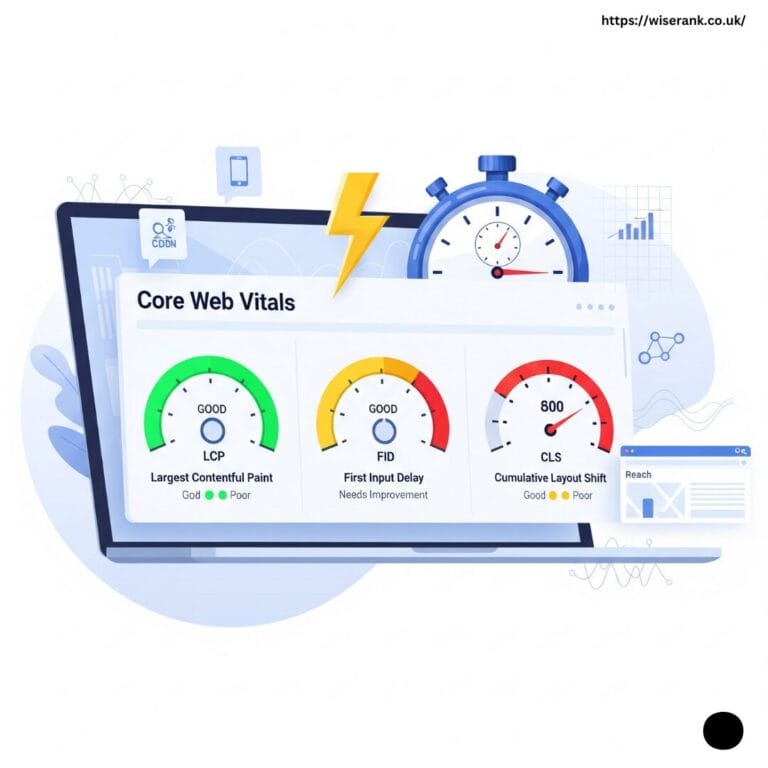
- Improve page speed and Core Web Vitals.
- Use HTTPS for secure websites.
- Ensure proper indexing and crawlability.
Building Trust Through Healthcare Content
Trust is critical in healthcare. Healthcare content should always be supported by evidence-based health information from trusted global organizations like the World Health Organization to ensure accuracy, safety, and patient confidence. Content marketing builds credibility by:
- Using verified medical sources for all information.
- Including author credentials to satisfy Google EEAT.
- Adding patient testimonials and case studies.
- Ensuring content compliance with HIPAA and GDPR.
Patient-Centric Content Marketing Strategies
Patient-focused content marketing drives engagement and loyalty.

Personalized Content
- Address specific patient needs based on conditions or demographics.
- Use local SEO to target nearby patients.
Interactive Content
- Quizzes for health risk assessment
- Symptom checkers
- Appointment booking widgets
Educational Campaigns
- Campaigns focusing on awareness months (e.g., Heart Health Month)
- Preventive care campaigns for chronic diseases
- Online workshops or webinar
Measuring Success of Healthcare Content Marketing
Analyzing performance ensures content marketing effectiveness. Key metrics include:
- Organic traffic and keyword rankings
- Engagement rates (time on page, shares, comments)
- Conversion rates (appointment bookings, inquiries)
- Backlinks and domain authority growth
- Patient feedback and survey responses
Case Studies and Real-Life Examples
Real-world results demonstrate the direct impact of strategic healthcare content marketing and SEO on patient acquisition and website growth. Detailed healthcare SEO case studies with proven traffic growth results demonstrate how hospitals, clinics, and individual doctors have successfully utilized educational blogs, patient guides, FAQs, and video content to increase organic traffic, boost appointment bookings, and foster long-term patient trust through data-driven SEO strategies.
- Hospital Example: A multispeciality hospital used educational blogs and video guides to increase appointment bookings by 40% in six months.
- Clinic Example: A local clinic created patient education guides for diabetes management, reducing patient confusion and increasing engagement.
- Doctor Example: A specialist physician implemented a content marketing campaign using medical FAQs and explainer videos, resulting in higher trust and online reviews.
Content Marketing for Different Healthcare Segments
Hospitals
- Focus on condition awareness, advanced treatments, and multi-specialty services.
- Create department-specific blogs and patient guides.
Clinics
- Emphasize patient education for outpatient services.
- Provide concise, actionable health tips and local SEO optimization.
Doctors
- Use content to establish expertise.
- Include blogs on common patient queries, telemedicine guides, and consultation advice.
Best Practices for Creating Healthcare Blogs and Patient Education Content
Creating effective healthcare blogs and patient education content requires a balance between medical accuracy, clarity, and search optimization. Well-structured medical service pages help healthcare providers present treatments, procedures, and patient guidance in a clear, trustworthy, and SEO-friendly manner. When blogs and service pages are aligned, they improve patient understanding, support informed decision-making, and strengthen search visibility for healthcare-related queries.

- Prioritize Accuracy: Verify all medical information from credible sources.
- Use Simple Language: Ensure content is understandable for a general audience.
- Optimize for SEO: Include keywords naturally and use structured data.
- Make It Engaging: Include visuals, bullet points, and interactive elements.
- Update Regularly: Keep content current with the latest medical research.
- Promote Sharing: Encourage social sharing and backlinking to expand reach.
- Integrate CTAs: Include appointment booking, consultation requests, and newsletter signups.
Common Mistakes to Avoid
Many healthcare websites struggle with visibility and patient engagement due to avoidable SEO and content errors. Understanding common SEO challenges in healthcare websites helps providers prevent issues such as unclear medical language, missing structured data, and poor mobile performance. Addressing these challenges early ensures content remains compliant, user-friendly, and optimized for both patients and search engines.
- Using overly technical language that confuses patients
- Ignoring SEO best practices
- Not including structured data for Google rich results
- Publishing content without reviewing for medical accuracy
- Neglecting mobile optimization and Core Web Vitals
Future of Healthcare Content Marketing

- Increased use of AI for personalized content and chatbots
- Integration with telemedicine and patient portals
- Video-first strategies for treatment explanations
- Voice search optimization for patient queries
- Focus on interactive and patient-centered digital experiences
Conclusion
Content marketing for healthcare is essential to educate patients, build trust, and improve online visibility. By implementing blogs, patient education guides, FAQs, videos, and newsletters with SEO best practices, healthcare providers can create a patient-focused content strategy that enhances engagement and drives appointments.
Successful campaigns require attention to detail, compliance with medical standards, and continuous optimization based on analytics. Hospitals, clinics, and doctors who embrace content marketing position themselves as trusted sources of health information, improve patient experience, and grow their digital presence in a competitive healthcare landscape.