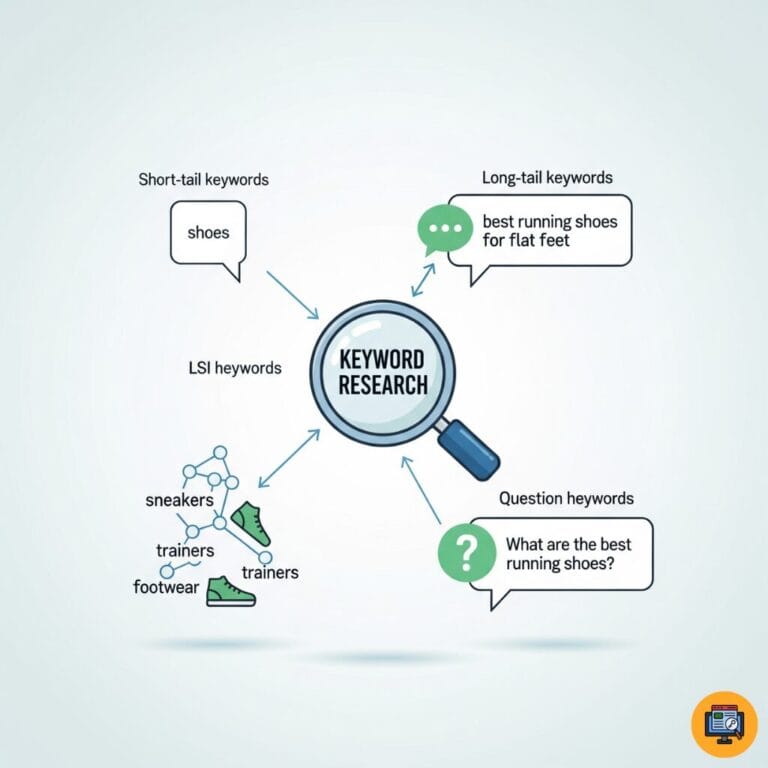
Introduction to Travel SEO Keywords
In 2026, travel SEO keywords are more important than ever for agencies, tour operators, and online travel platforms. Travelers start their journey online, searching for destinations, packages, and experiences. Using the best keywords for Travel SEO Services ensures your website ranks higher, attracts organic traffic, and converts visitors into customers. Travel brands can grow consistently by understanding core search trends, as explained in our travel SEO challenges article.

Understanding how to select destination keywords for travel websites and travel package SEO keywords can significantly impact your online visibility. This guide explores how to research, implement, and optimize these keywords for maximum results.
Why Keywords Matter for Travel SEO
Keywords are the foundation of any SEO strategy. They connect what travelers type into search engines with the content on your website. Without the right keywords, your pages may remain invisible even if your services are top-notch. Choosing the right terms also depends on strong on-page practices, covered in our keyword placement guide.
Benefits of using the right keywords:
- Increase organic traffic to travel websites
- Improve visibility in Google SERP for specific destinations and packages
- Attract qualified travelers ready to book
- Support content creation for blogs, itineraries, and guides
- Enhance local and international SEO for travel agencies
Example: A user searching for “London honeymoon packages” is likely ready to book a trip. Targeting this keyword on a package landing page increases your chance of converting that search into a sale.
Types of Travel SEO Keywords

Primary Keywords for Travel Websites
Primary keywords are high-level search terms that define the main topic of your website or pages. Agencies planning destination hubs can follow the travel SEO complete guide for deeper optimisation structures.
They include:
- Travel SEO keywords
- Best keywords for travel SEO
- Destination keywords for travel websites
- Travel package SEO keywords
- SEO keywords for travel agencies
- Tourism keywords for SEO
- Travel industry keywords
- High-ranking travel keywords
How to use them:
- Place in H1, H2 headings, meta titles, and meta descriptions
- Include in the opening paragraph and summary sections
- Use for hub pages, such as “Destinations” or “Travel Packages”
Related Keywords for Supporting Content
Related keywords help expand the semantic coverage of your content. To build supporting content, explore our long-tail keywords framework which improves semantic coverage. They include:
- Travel keyword research
- Best keywords for tour operators
- Long-tail keywords for travel packages
- High search volume travel keywords
- Travel booking keywords
- International travel keywords
- Local travel SEO keywords
- Seasonal travel keywords
- Adventure travel keywords
How to Research the Best Keywords for Travel SEO
Step 1: Understanding Search Intent
Before targeting any keyword, determine the search intent:
- Informational: Users looking for travel tips or guides (“best beach destinations”)
- Transactional: Users ready to book a package (“Dubai holiday packages”)
- Navigational: Users searching for a specific travel agency or site
Aligning keywords with intent improves traffic quality and conversion rates. Search intent plays a major role in travel bookings, as explained in our conversational queries guide.
Step 2: Using Keyword Research Tools
Tools like Ahrefs, SEMrush, Moz, and KeySearch help identify:
- Search volume
- Keyword difficulty
- Related keywords and long-tail opportunities
- Seasonal trends
Example: Searching for “Italy travel packages” shows high search volume in the summer months. Using seasonal travel keywords like this ensures your content is timely.
Step 3: Creating Keyword Clusters
Organize keywords into clusters for logical content flow:
- Destination-based cluster: Paris tour packages, London vacation packages, Tokyo travel guide keywords
- Package-based cluster: Family travel packages, Honeymoon travel packages, Adventure tour packages
- Experience-based cluster: Beach vacation packages, Mountain trekking packages, Wildlife safari tours
Destination Keywords for Travel Websites

City-Based Keywords
Target popular cities where travelers search for packages:
- Paris tour packages
- Dubai holiday packages
- New York travel deals
- London vacation packages
- Singapore travel packages
- Bangkok tour deals
- Bali honeymoon packages
- Maldives holiday packages
- Tokyo travel guide keywords
- Sydney tour packages
Use these keywords on dedicated city landing pages. Include supporting LSI keywords like cheap flight and hotel combos or top destinations for holidays. Destination pages often need structural improvements — learn how in this destination page optimization guide.
Country-Based Keywords
Focus on country-level searches:
- Italy travel packages
- Japan holiday tours
- Thailand tour packages
- Switzerland travel deals
- India tourism keywords
- Greece holiday packages
- Australia vacation keywords
- Canada travel packages
- Turkey holiday keywords
- UAE travel packages
Combine with package-based keywords for long-tail SEO opportunities.
Regional Keywords
Target broader regions for travelers, comparing multiple destinations:
- Europe tour packages
- Southeast Asia travel deals
- Middle East holiday packages
- South America travel tours
- Africa safari packages
- Caribbean tour packages
Regional pages can link to city or country landing pages for internal linking authority.
Package-Based Keywords for Travel SEO

Type-Based Packages
Optimize pages for specific package types:
- Family travel packages
- Honeymoon travel packages
- Adventure tour packages
- Luxury travel packages
- Budget travel packages
- Group holiday packages
- Solo travel packages
- Cruise travel packages
- Weekend getaway packages
- Eco-tourism packages
Tip: Use commercial intent keywords here to target users ready to book. Travel operators comparing services can also review our tour operator SEO insights.
Experience-Based Packages
Highlight experience-focused packages:
- Beach vacation packages
- Mountain trekking packages
- Wildlife safari tours
- Cultural tour packages
- Historical tours
- Food & culinary travel packages
- Festival travel packages
- Wellness retreat packages
- Road trip packages
- City sightseeing packages
Supporting LSI keywords like holiday trip planning, romantic travel destinations, or bucket list travel ideas improves content relevance.
Seasonal and Trend-Based Keywords
Traveler searches vary by season. Using seasonal travel keywords ensures your content reaches the right audience at the right time. To prepare peak-season pages, check the seasonal SEO strategies used by top travel brands.
- Summer: Beach vacations, Europe tour packages
- Winter: Ski trips, Southeast Asia travel deals
- Holidays: Christmas vacation packages, New Year tours
Tracking Trends
Use Google Trends or SEO tools to identify trending keywords. Example: “Maldives honeymoon packages” may spike in February for Valentine’s planning.
Content Strategy Using Travel Keywords
Content creation is easier when following a structured travel content marketing strategy for blogs and itineraries.
Travel Blogs
- Create blog posts using informational keywords like “Top destinations for holidays” or “Affordable travel packages.”
- Cluster content around destinations and packages. Example: Write a blog “Weekend getaway in Bali” linking to Bali honeymoon packages page using <a href=”url”>Bali honeymoon packages</a>.
Destination Landing Pages
- Use city, country, and regional keywords.
- Include package keywords for targeted conversion.
- Add LSI keywords for richer context.
Package Pages
- Each package page should target type-based and experience-based keywords.
- Include local SEO elements if targeting specific cities.
- Include FAQ and schema markup to improve SERP features.
Internal Linking Strategies
Internal links help distribute authority across pages — see our internal linking guide for best practices.
- Link city pages to country and regional hubs.
- Link package pages to relevant blog posts for informational queries.
- Anchor texts should be natural 3–5 word phrases, e.g., <a href=”URL”>family travel packages</a>.
- Use semantic linking to strengthen keyword clusters and user navigation.
Keyword Optimization Tips
On-Page SEO
- Place primary keywords in the title, H1, meta description, and first paragraph.
- Use secondary and LSI keywords in body text, bullet points, and subheadings.
- Include images with alt text containing keywords, e.g., “Maldives honeymoon packages beach view.”
Off-Page SEO
- Build backlinks from tourism blogs, travel forums, and local directories
- Use branded anchors and package-related anchors naturally.
Technical SEO
Travel websites also depend on mobile performance — improved using this mobile SEO travel framework.
- Ensure fast page speed and mobile responsiveness.
- Implement schema markup for destinations and packages.
- Optimize URL structure: /destinations/bali-honeymoon-packages/
Real-Life Example

A travel agency in Europe optimized for “Paris tour packages” and “Europe tour packages” using destination clusters. They added blogs like “Top 10 Weekend Getaways in Paris” linking to package pages. Within six months, their organic traffic increased by 65%, and bookings via search grew 40%.
Best Tools for Travel Keyword Research
Keyword discovery becomes easier when using the best travel SEO tools chosen for agencies and operators.
- Ahrefs: For keyword difficulty, search volume, and competitor analysis
- SEMrush: For cluster planning and SERP features
- Moz: For local SEO and link tracking
- KeySearch: For long-tail keyword ideas
- Google Keyword Planner: For seasonal trends and search intent insights
Conclusion
Optimizing travel websites using the best keywords for travel SEO in 2026 requires a balanced strategy:
- Identify primary, secondary, and LSI keywords
- Cluster keywords by destination, package, and intent
- Integrate on-page, off-page, and technical SEO
- Track seasonal trends and search behavior
By following this approach, travel agencies and online travel platforms can increase visibility, attract qualified travelers, and boost bookings while providing valuable, humanized content that meets user and Google intent.