Seasonal SEO plays a major role in how people plan and book travel. Travel demand changes throughout the year based on weather holidays events and school breaks. Search behavior follows the same pattern. If travel businesses do not adjust their SEO strategy based on seasons they miss bookings and revenue.

This guide explains how seasonal SEO impacts travel bookings in a clear and simple way. It covers how search trends change how travelers think and how travel websites can plan SEO for peak and off seasons. The goal is to help travel agencies tour operators and travel websites get more bookings at the right time.
Understanding Seasonal SEO in the Travel Industry
Seasonal SEO means adjusting your SEO strategy based on changing search demand during different times of the year. In travel this is critical because people do not search for trips the same way every month.
What Seasonal SEO Means for Travel Websites
Seasonal SEO for travel websites focuses on aligning content keywords and pages with seasonal travel demand. For example beach destinations peak in summer while ski resorts peak in winter. SEO helps your website appear when travelers are actively searching.
Seasonal SEO is not only about peak season. It also helps generate bookings during slow months by targeting off season travel deals and flexible travelers.
Why Travel Search Behavior Is Seasonal
Travel planning depends on many factors
- Weather conditions
- School holidays
- Public holidays
- Festivals and events
- Budget cycles
These factors shape seasonal search trends in travel. Google search data shows that travel queries rise months before peak travel periods. This means SEO must start early.
How Seasonal SEO Directly Impacts Travel Bookings
Seasonal SEO impacts travel bookings by improving visibility when travelers are ready to book. When your pages rank at the right time, you attract high-intent traffic.

Visibility During High Booking Intent Periods
Most travel bookings happen during specific windows. Seasonal SEO helps travel websites rank during those windows instead of appearing too late.
For example summer travel searches often start in late winter. Websites that prepare content early capture bookings before competitors.
Matching Search Intent With Travel Demand
Travelers search with different intent depending on season
- Early stage research during planning months
- Booking focused searches during peak demand
- Deal based searches during off season
Seasonal SEO aligns content with these intent stages which improves conversions.
Impact on Conversion Rates
Seasonal SEO improves conversion rate because users find relevant content at the right time. A winter travel page shown in winter converts better than a generic destination page.
Seasonal Search Trends in Travel Booking Behavior
Understanding seasonal search trends is the foundation of seasonal SEO for travel.
How Travelers Plan Trips by Season
Travel planning follows a timeline
- Research phase weeks or months before travel
- Comparison phase closer to travel dates
- Booking phase when prices and availability matter
Seasonal SEO supports each phase by publishing content early and optimizing pages before demand peaks.
Best Time to Book Travel Based on Season
Many travelers search for the best time to book travel. SEO content targeting these queries builds trust and attracts early planners.
Examples include
- Best time to book summer holidays
- Winter travel booking tips
- Holiday travel deals planning guide
These pages bring visitors who later convert.
Seasonal Keyword Research for Travel SEO
Keyword research is the backbone of seasonal SEO strategy.
Identifying Seasonal Travel Keywords
Seasonal travel keywords change throughout the year. Examples include
- Summer travel destinations
- Winter holiday packages
- Festive travel deals
- School holiday trips
These keywords must be mapped to content before the season begins.
Using Search Trends for Keyword Timing
SEO tools and Google Trends show when keyword interest rises. Smart travel websites plan content three to six months before peak demand.
This timing ensures pages rank when bookings start.
Long Tail Seasonal Keywords That Convert
Long tail keywords often convert better because they show clear intent
- Best time to visit a destination
- Off season travel deals
- Low season holiday packages
These keywords support both peak and off peak bookings.
High Season vs Low Season Travel SEO Strategy
Seasonal SEO is not the same for every season.

SEO Strategy for Peak Travel Season
During peak season competition is high. SEO focus should be on
- Strong destination pages
- Clear booking intent keywords
- Fast page speed and mobile optimization
These elements help capture ready-to-book users.
SEO Strategy for Off-Season Travel
Off-season SEO focuses on different goals
- Promoting discounts and deals
- Targeting flexible travelers
- Educating users about off-season benefits
This strategy keeps bookings steady year round.
Seasonal Destination SEO Optimization
Destination pages are the most important assets for travel websites.
Optimizing Destination Pages for Seasonal Demand
Each destination has its own seasonal demand cycle. SEO optimization should reflect this.
For example
- Summer destination pages highlight beaches and outdoor activities
- Winter destination pages focus on snow experiences and indoor attractions
Content should change with seasons without removing core information.
Using Seasonal Content Blocks on Destination Pages
Adding seasonal sections help relevance
- Best time to visit section
- Seasonal activities section
- Weather based travel tips
These updates improve rankings and user engagement.
Seasonal Content Marketing for Travel Websites
Content marketing supports seasonal SEO by educating travelers and building trust.
Seasonal Travel Blogs That Drive Bookings
Blogs play a key role in seasonal travel SEO
- Travel planning guides
- Seasonal destination comparisons
- Holiday travel tip
These blogs attract early stage users and move them toward booking pages.
Creating a Seasonal Content Calendar
A seasonal content calendar helps plan SEO efficiently
- Identify key seasons and holidays
- Assign content topics per month
- Publish content before demand rises
This approach prevents rushed content and improves rankings.
Seasonal Landing Pages for Travel Bookings
Landing pages designed for seasonal demand convert better.
Why Seasonal Landing Pages Matter
Seasonal landing pages target specific booking periods such as summer holidays or festive travel. They provide focused messaging and clear offers which improves conversion rate.
Elements of High Converting Seasonal Travel Pages
Effective seasonal landing pages include
- Clear seasonal messaging
- Relevant destination highlights
- Simple booking paths
These pages reduce friction for users ready to book.
Technical SEO Considerations for Seasonal Travel Traffic
Technical SEO supports seasonal SEO performance.

Page Speed and Mobile Optimization
Travel searches happen mostly on mobile devices. Fast loading pages improve rankings and bookings especially during peak seasons.
Managing Seasonal Pages Without SEO Loss
Seasonal pages should not be deleted after the season ends. Instead they should be updated or reused next year to retain SEO value.
This builds long term authority.
Role of Local SEO in Seasonal Travel Demand
Local SEO helps travel businesses capture nearby travelers.
Seasonal Impact on Local Travel Searches
Searches like travel near me increase during holidays and weekends. Local SEO ensures visibility during these periods.
Google Business Profile Optimization by Season
Updating profiles with seasonal offers and availability improves visibility in local search results.
Seasonal SEO for Different Travel Business Types
Different travel businesses benefit differently from seasonal SEO.
Travel Agencies and Seasonal SEO
Travel agencies rely on seasonal packages and deals. SEO helps them rank for booking focused keywords at the right time.
Tour Operators and Seasonal SEO
Tour operators benefit from experience-based seasonal content, such as seasonal tours and activities.
Online Travel Agencies and Seasonal SEO
OTAs use large-scale seasonal SEO by optimizing thousands of destination and deal pages in advance.
Measuring the Impact of Seasonal SEO on Travel Bookings
Tracking performance is essential to refining seasonal SEO.

Key Metrics to Monitor
Important metrics include
- Organic traffic by season
- Booking conversions
- Keyword ranking changes
- Page engagement
These metrics show what works and what needs improvement.
Using Data to Improve Future Seasons
Seasonal SEO improves each year when data is reviewed. Past performance helps plan better campaigns for the next season.
Real Life Examples of Seasonal SEO in Travel
Many travel websites see strong results from seasonal SEO.
Example of Early Seasonal Content Planning
A travel website publishing summer destination guides in winter often ranks earlier and captures early bookings compared to competitors.
Example of Off Season Booking Growth
Off season SEO focused on flexible travel deals often increases bookings during traditionally slow months.
These examples show how seasonal SEO impacts travel bookings in real situations.
Common Mistakes That Reduce Seasonal SEO Performance
Avoiding mistakes is as important as strategy.
Starting SEO Too Late
Late content creation misses the booking window. Seasonal SEO requires early planning.
Ignoring Off Season Opportunities
Many travel websites stop SEO after peak season. This leads to lost revenue and weaker authority.
Overusing Generic Content
Generic travel content does not match seasonal intent and fails to convert.
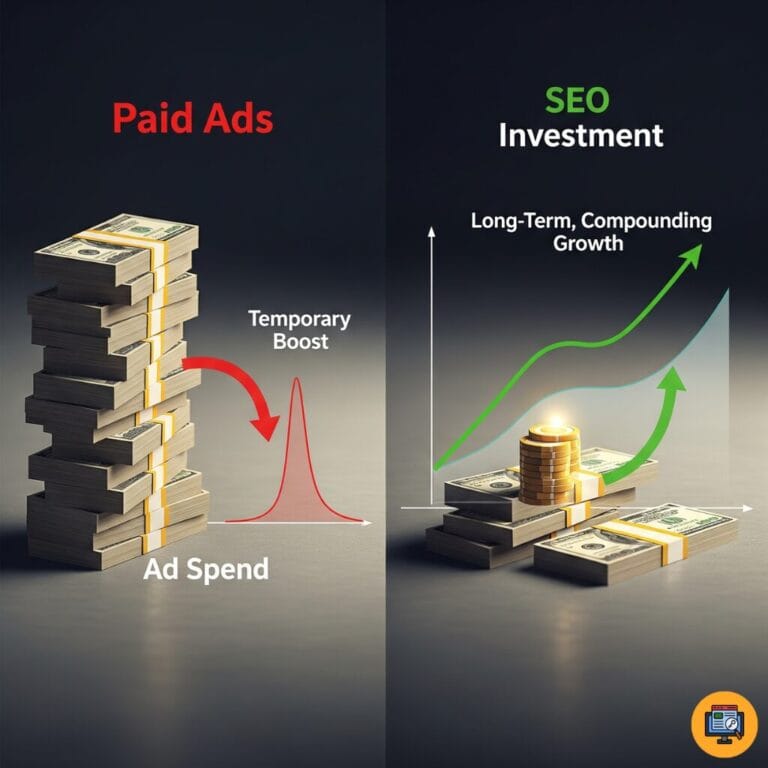
How Seasonal SEO Builds Long-Term Travel Website Authority
Seasonal SEO is not only about short term traffic.
Building Trust With Consistent Seasonal Content
Consistent seasonal content builds trust with users and search engines. Over time websites become authority sources for travel planning.
Supporting Year Round Booking Growth
Seasonal SEO ensures steady traffic and bookings throughout the year instead of relying on one season.
The Future of Seasonal SEO in Travel Marketing
Seasonal SEO will continue to evolve as search behavior changes.
Role of Search Intent and Personalization
Search engines are getting better at understanding seasonal intent. Travel websites that align with this will benefit most.
Importance of Planning Ahead
The future of travel SEO belongs to businesses that plan early and adapt fast.
Conclusion
Seasonal SEO has a direct and powerful impact on travel bookings. Travel demand changes throughout the year and SEO must adapt to those changes. When travel websites align content keywords and pages with seasonal search trends they attract the right visitors at the right time.
Seasonal SEO helps travel businesses increase visibility improve conversion rates and build long term authority. It supports both peak and off season bookings and creates a steady flow of organic traffic.
By understanding seasonal search behavior planning content early and optimizing destination and landing pages travel websites can turn seasonal demand into consistent bookings. Seasonal SEO is not optional for travel businesses. It is a key part of sustainable growth in a competitive industry.