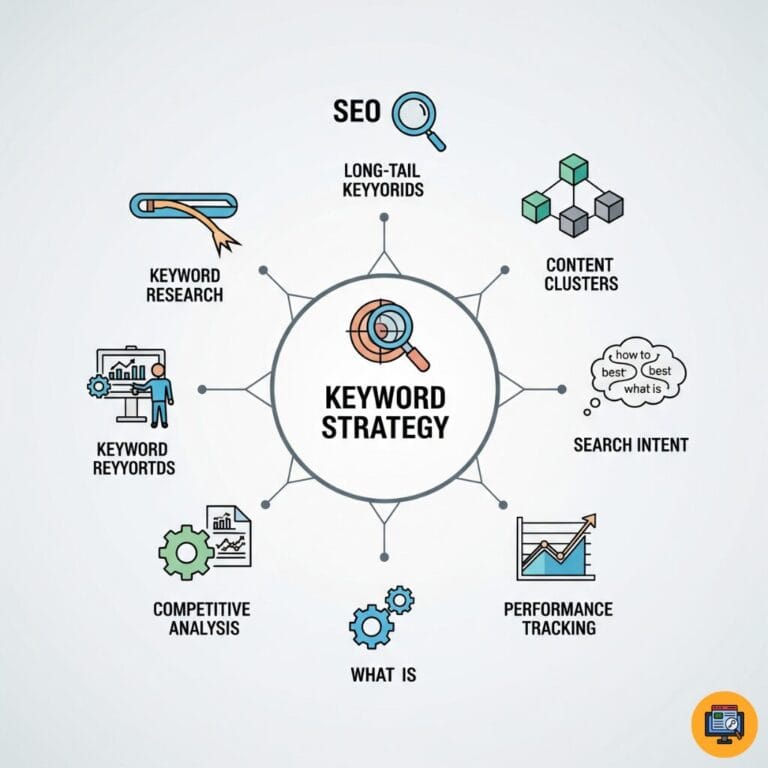
Search Engine Optimization has become one of the most reliable growth channels for Software as a Service companies. This case study explains how a SaaS company achieved sustainable growth using SEO instead of relying only on paid ads. It shows real experience, real strategy, and real results so beginners and decision makers can understand how SEO works as a long-term growth engine for SaaS businesses.
Growing a SaaS business sustainably requires more than paid advertising; organic SEO strategies play a crucial role. Working with a trusted SaaS SEO agency in the UK can help companies implement proven SEO tactics, drive consistent organic traffic, improve conversions, and reduce customer acquisition costs over time. This case study demonstrates how SEO acts as a long-term growth engine for SaaS companies.

This SaaS SEO case study focuses on organic traffic lead growth, conversion improvement, and revenue impact. The goal is to show how SEO helps SaaS companies reduce customer acquisition cost, build trust, and scale predictably over time.
Background of the SaaS Company
The company in this case study is a B2B SaaS startup offering workflow automation software for small and mid-sized businesses. The product helped teams manage tasks, track performance, and reduce manual work.
Before investing in SEO, the company depended heavily on paid acquisition channels like Google Ads and LinkedIn Ads. This resulted in high costs and unstable growth.
Initial Business Situation
The SaaS company faced several challenges at the start.

- High customer acquisition cost due to paid ads
- Low organic visibility in search results
- Weak brand authority in the SaaS market
- Limited inbound leads from organic search
- No structured SEO strategy
The leadership team decided to invest in SEO as a long-term growth strategy after realizing paid ads alone could not support sustainable scale.
SEO Goals and Growth Objectives
Before starting execution, clear goals were defined. This helped measure SEO success properly.
Primary SEO Goals
- Increase organic traffic from relevant SaaS keywords
- Generate qualified inbound leads through SEO
- Reduce dependency on paid acquisition
- Improve product discoverability in search engines
- Build long-term brand authority
Business Growth Goals
- Lower customer acquisition cost
- Improve the lifetime value to CAC ratio
- Support product-led growth with SEO
- Build a predictable organic pipeline
These goals aligned SEO with business outcomes instead of vanity metrics.
SEO Strategy Overview
The SaaS SEO strategy focused on full funnel growth. It combined technical SEO, content marketing, and authority building.

Core Strategy Pillars
- Search intent-focused keyword research
- Content-led SEO with product alignment
- Technical SEO for crawlability and performance
- Product-led SEO pages
- Trust and authority building
Each pillar supported long term SaaS organic growth rather than short term traffic spikes.
Keyword Research and Intent Mapping
Keyword research was the foundation of this SaaS SEO growth strategy. Instead of targeting only high-volume keywords, the focus was on intent and relevance.
Keyword Research Approach
The SEO team analyzed keywords across the full SaaS funnel.
- Informational keywords for the awareness stage
- Comparison keywords for the consideration stage
- Use case and feature keywords for the decision stage
- Product-specific keywords for conversion
This approach ensured SEO supported lead generation and revenue growth.
Search Intent Alignment
Every keyword was mapped to user intent.
- Educational content matched early-stage intent
- Feature pages matched solution-aware intent
- Use case pages matched high-intent searches
This improved engagement and conversion rates from organic traffic.
Content Strategy for SaaS SEO Growth
Content was built to educate users, solve problems, and guide them toward the product. A strong content strategy is essential for SaaS SEO growth, as it educates users, answers real questions, and drives them toward the product. Working with experts in content marketing for SaaS ensures that blogs, feature pages, use cases, and comparison articles are optimized for search intent, relevance, and conversions.

Content Types Used
- Blog articles explaining SaaS problems and solutions
- Use case pages targeting industry-specific searches
- Feature pages optimized for high-intent keywords
- Case study pages to build trust
- Comparison pages against alternatives
Each piece of content was written to match real user questions and search behavior.
Product Led SEO Implementation
Product-led SEO played a major role in organic growth.
How Product-Led SEO Was Used
Product features were turned into searchable pages.
- Feature pages explained the benefits, not justthe features
- Use case pages showed real applications
- Integration pages targeted branded searches
- Solution pages mapped to pain points
This helped users discover the product naturally through search.
Real Case Study of Saas

Real Case Study of Saas
Case Study 1 – B2B SaaS AI Tool Growth with SEO
Background: A B2B AI SaaS startup aimed to grow organic traffic and generate demo requests globally.
Strategy:
- Conducted in-depth keyword research focused on industry-specific long-tail queries.
- Optimized landing pages and blog content for high-intent search terms.
- Implemented technical SEO improvements, including faster page speed, mobile-first indexing, and structured data.
- Built authoritative backlinks from industry publications and SaaS directories.
Results:
- Organic traffic increased by 350% in 12 months.
- Demo sign-ups from organic channels grew by 280%.
- The startup reduced paid ad spend by 40% while maintaining lead quality.
Case Study 2 – Enterprise SaaS Platform SEO Optimization
Background: A large SaaS platform serving enterprises needed to increase visibility for competitive keywords.
Strategy:
- Performed a full SEO audit, identifying technical issues such as duplicate content and crawl errors.
- Updated product pages and feature documentation to target relevant keywords.
- Launched a content marketing campaign including guides, case studies, and whitepapers.
- Leveraged internal linking and structured data to improve SERP presence.
Results:
- Top 10 SERP rankings for 25 high-value keywords.
- Organic MQLs increased by 220% over 9 months.
- Bounce rate decreased by 15%, improving engagement and lead quality.
Case Study 3 – SaaS Startup App Store and Mobile SEO
Background: A mobile SaaS productivity app wanted more visibility on Google Search and app stores.
Strategy:
- Implemented mobile-first SEO and optimized pages for Core Web Vitals.
- Conducted App Store Optimization (ASO) including keyword-optimized titles, descriptions, and screenshots.
- Published mobile-focused blog content and FAQs targeting user pain points.
- Integrated analytics tracking to monitor installs and conversions from search.
Results:
- App installs from organic search increased by 400% within 6 months.
- Mobile landing page conversions improved by 60%.
- Achieved featured snippet rankings for multiple long-tail queries in the productivity SaaS niche.
Case Study 4 – SaaS Marketing Automation Platform SEO & Content Strategy
Background: A SaaS marketing automation platform aimed to grow leads and demonstrate authority in the marketing technology space.
Strategy:
- Conducted keyword mapping and competitor analysis to find untapped opportunities.
- Created content hub strategy with pillar pages and topic clusters.
- Optimized blog posts, guides, and product pages for search intent and EEAT principles.
- Built high-quality backlinks via guest posts, digital PR, and influencer outreach.
Results:
- Organic traffic grew by 320% in 1 year.
- Free trial sign-ups from organic search increased by 210%.
- SEO contributed to 25% of total new MQLs, reducing dependency on paid ads.
Technical SEO Improvements
Proper technical SEO is the foundation for strong organic visibility. By addressing crawlability, indexation, page speed, and structured data, SaaS platforms can ensure search engines understand and rank their content effectively. Working on technical SEO for SaaS platforms helps prevent errors, improve Core Web Vitals, and prepare sites for mobile-first indexing.
Key Technical SEO Actions
- Improved site architecture and internal linking
- Fixed crawl errors and indexation issues
- Optimized page speed and Core Web Vitals
- Implemented schema markup
- Ensured mobile-first indexing readiness
These changes improved organic visibility and user experience.
On Page SEO Optimization
Building authority is critical for SaaS SEO, but quality always matters more than quantity. A focused strategy including guest posts, digital PR, and resource links can enhance domain trust and referral traffic. Optimizing pages for conversions alongside authority building ensures that your SEO efforts translate into measurable business results, as explained in optimizing SaaS landing pages for conversions.

Optimization Techniques Used
- Clear headings with keyword relevance
- Simple language for better engagement
- Optimized meta titles and descriptions
- Internal links between related content
- Clean URL structures
This improved rankings and click-through rates.
Link Building and Authority Growth
Building authority is a critical part of SaaS SEO, but focusing on quality over quantity ensures long-term results. Strategic efforts like digital PR, guest posting, and resource link placements not only increase domain trust but also improve referral traffic. Learning from proven link-building strategies for SaaS startups helps companies acquire authoritative backlinks safely and effectively.
Link Building Strategy
- Digital PR campaigns
- Guest posts on SaaS and marketing sites
- Brand mentions through partnerships
- Resource link placements
- Organic backlink acquisition through content
This increased the domain authority and trust signals.
International Expansion with SEO for SaaS
Expanding a SaaS business internationally requires an SEO strategy tailored to each region. By optimizing for local search intent, hreflang tags, and regional backlinks, companies can attract organic traffic from multiple countries while maintaining visibility. Following best practices for international SEO for SaaS companies ensures global growth with measurable results.
- Conduct country-specific keyword research to understand local search intent.
- Implement hreflang tags to guide search engines on language and region versions.
- Localize content, CTAs, and landing pages for cultural relevance.
- Optimize technical SEO for international domains or subfolders.
- Build regional backlinks and partnerships to increase authority.
- Monitor local search performance and analytics to refine strategy.
With these practices, SaaS companies can successfully expand internationally while maintaining strong search visibility and organic growth.
Conversion Rate Optimization for SEO Traffic
SEO traffic was optimized for conversions. Simplified signup and demo pages, clear calls to action, and trust signals like testimonials ensured organic traffic translated into leads and customers. Learn more about conversion rate optimization techniques to improve results.
CRO Improvements
- Simplified signup and demo pages
- Clear calls to action
- Trust signals like testimonials
- Improved page layouts
- Reduced friction in forms
This ensured organic traffic translated into leads and customers.
Analytics and Measurement Setup
Data tracking was essential to measure SaaS SEO ROI.
Tools Used
- Google Analytics for traffic and behavior
- Google Search Console for visibility and queries
- SEO dashboards for keyword tracking
- Funnel analysis tools
This allowed accurate attribution of SEO driven growth.
SEO Results After Six Months
The first phase of results showed clear progress.
Organic Growth Results
- Organic traffic increased steadily month over month
- Keyword rankings improved across core terms
- More impressions for product-related searches
- Higher engagement from organic users
This validated SEO as a growth channel.
SEO Results After Twelve Months
Long-term results proved the power of compounding growth.
Business Impact
- Significant increase in organic leads
- Reduced reliance on paid ads
- Lower customer acquisition cost
- Higher lead quality from organic search
- Improved brand authority
SEO became the primary acquisition channel.
Revenue Impact from SEO
SEO influenced revenue directly and indirectly.
Revenue Contributions
- Organic leads converted at higher rates
- Longer customer lifetime value
- Better retention due to informed users
- Expansion revenue from existing users
This demonstrated SEO impact beyond traffic metrics.
CAC Reduction with SEO
Customer acquisition cost dropped significantly.
- No cost per click dependency
- Organic traffic continued without ad spend
- Higher intent users from search
- Better conversion rates
This improved profitability and scalability.
SEO vs Paid Acquisition Comparison
Comparing SEO with paid acquisition helps SaaS companies understand long-term growth potential versus immediate returns. While paid ads can generate quick traffic, SEO for SaaS growth builds lasting organic visibility, trust, and authority, reducing dependence on ongoing budgets and supporting sustainable lead generation.

Key Differences
- SEO provided long-term, sustainable growth
- Paid ads delivered short-term spikes
- SEO built trust and brand authority
- Paid ads required a constant budget
This helped leadership rebalance marketing investment.
SEO Scalability for SaaS Growth
SEO proved highly scalable.
Scalability Benefits
- Content continued to attract traffic over time
- New keywords unlocked new audiences
- Product pages scaled with feature growth
- International SEO expansion became possible
SEO supported long term SaaS expansion.
Challenges Faced During SEO Execution
SEO growth was not instant.
Common Challenges
- Initial slow results
- Content production consistency
- Technical SEO complexity
- Stakeholder patience
Clear communication helped manage expectations.
How Challenges Were Solved
Problems were addressed with strategy and process.
Solutions Applied
- Set realistic timelines
- Focused on high impact content
- Prioritized technical fixes
- Shared progress reports
This maintained alignment and trust.
EEAT Signals Built Through SEO
Experience, expertise, authority, and trustworthiness were core priorities.

How EEAT Was Applied
- Real case studies and examples
- Expert written content
- Transparent data and metrics
- Clear author profiles
- Trust signals on pages
This improved credibility and rankings.
Lessons Learned from the SaaS SEO Case Study
The project delivered valuable insights.
Key Learnings
- SEO requires patience and consistency
- Intent matters more than volume
- Product led SEO drives conversions
- Technical SEO is foundational
- SEO and CRO must work together
These lessons guide future strategy.
Best Practices for SaaS Companies Using SEO
Based on this case study these best practices apply.
Recommended Actions
- Invest in SEO early
- Align SEO with product growth
- Focus on intent driven content
- Measure SEO impact on revenue
- Build authority naturally
This helps SaaS companies grow sustainably.
When SEO Works Best for SaaS
SEO is most effective in certain conditions.
Ideal Scenarios
- Long sales cycles
- Complex products needing education
- High customer lifetime value
- Competitive paid ad markets
SEO becomes a competitive advantage.
Final Thoughts on SaaS Company Growth with SEO
This SaaS SEO case study shows that organic growth is not a shortcut but a strong foundation. SEO helped the company reduce costs increase leads and build long-term value.
For SaaS companies looking for predictable, scalable and sustainable growth SEO remains one of the most powerful channels available when executed correctly.