For Birmingham businesses, understanding Local SEO vs Traditional SEO is crucial to growing visibility online. Many business owners confuse the two, but each serves different purposes. Local SEO focuses on helping small and service-area businesses appear in Google Maps, Local Pack rankings, and nearby search results. On the other hand, Traditional SEO, also called Organic SEO, aims to improve visibility in general search results for broader topics and larger audiences.

Choosing the right SEO Agency Birmingham ensures your business attracts the right customers at the right time, improving leads, foot traffic, and online engagement. This article explains the differences, benefits, ranking factors, and strategies for Birmingham businesses, along with real-life examples.
What is Local SEO
Local SEO is the practice of optimising your business for location-based searches. It helps businesses appear when people search for services near them, like “plumbers in Birmingham” or “best coffee shop near me.”

Key components include:
- Google Business Profile optimisation: Accurate business information, images, posts, and reviews.
- Local citations and NAP consistency: Ensuring Name, Address, Phone number match across all directories.
- Local landing pages: Service or location-specific pages on your website.
- Online reviews and reputation management: Encouraging and responding to customer feedback.
- Geo-targeted keywords: Keywords with city or neighborhood modifiers, e.g., “Birmingham electrician.”
Example: A Birmingham bakery optimised its Google Business Profile, added local keywords to its website, and gathered reviews. Within two months, it appeared in the Map Pack for searches like “Birmingham cupcakes,” resulting in more foot traffic and orders.
What is Traditional SEO
Traditional SEO, or Organic SEO, aims to improve your website’s visibility in general search engine results. It is not location-specific and focuses on ranking for broader keywords that drive nationwide or global traffic.

Key components include:
- On-page SEO: Optimising title tags, meta descriptions, headings, content quality, and internal linking.
- Off-page SEO: Acquiring backlinks from authoritative sites to improve domain authority.
- Content marketing: Blog posts, guides, and resources to attract organic traffic.
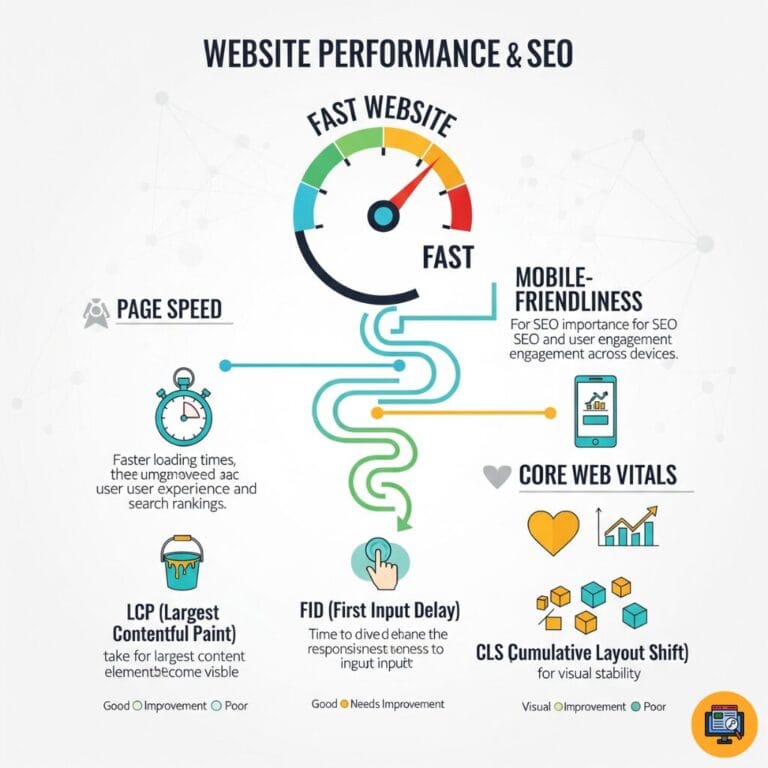
- Technical SEO: Site speed, mobile optimisation, schema markup, indexing, and crawlability.
Example: A Birmingham-based IT consultancy optimised blog content for terms like “best IT solutions UK.” They gained visibility nationwide, generating B2B inquiries from outside Birmingham.
Key Difference Between Local SEO and Traditional SEO

| Feature | Local SEO | Traditional SEO |
| Target Audience | Local customers within city or region | Broad, national, or global audience |
| Main Platform | Google Maps, Local Pack | Google Search, Bing, Yahoo |
| Keywords | Geo-targeted, service-area specific | Generic, high-volume keywords |
| Listings | Google Business Profile, local directories | N/A, focus on website ranking |
| Ranking Factors | Proximity, relevance, reviews, citations | Domain authority, backlinks, content quality |
| Objective | Drive foot traffic, calls, leads locally | Increase website traffic and brand visibility broadly |
| Best for | Small businesses, franchises, service-area businesses | National companies, e-commerce, enterprise businesses |
Insight: Many Birmingham small businesses combine both strategies to maximise reach. Local SEO brings nearby customers, while traditional SEO expands online presence and credibility.
How Local SEO Works
Google Maps and Local Pack
The Google Local Pack displays top businesses for searches with local intent. Local SEO ensures your business appears here using:
- Accurate business information
- Positive reviews
- Local backlinks
- Geo-targeted keywords
Example: A Birmingham gym optimised its GBP with correct NAP, categories, and photos. It appeared in the Local Pack for searches like “gyms near Edgbaston,” increasing membership sign-ups.
Local Citations and NAP
NAP consistency is critical. Citations are mentions of your Name, Address, and Phone number across websites, directories, and apps.
- Consistent NAP improves trust signals for Google.
- Examples: Yelp, Yell, Foursquare, local directories.
- Inconsistent NAP can hurt Map Pack rankings.
How Traditional SEO Works
Traditional SEO focuses on improving your website’s visibility in organic search results, which are the standard listings you see on Google, Bing, or Yahoo when searching general terms like “IT solutions UK” or “best marketing strategies.” Unlike Local SEO, traditional SEO is not location-specific but helps businesses attract a broader, national, or even global audience.
Here’s how it works in detail:
Content Creation
High-quality content is the foundation of traditional SEO. it includes:
- Blogs and guides: These provide in-depth information on relevant topics. For example, a Birmingham law firm publishing articles about “UK employment law updates” attracts both local and national attention.
- Resources and tools: Offering downloadable guides, calculators, or templates increases engagement and positions your business as an authority.
- Keyword targeting: Traditional SEO uses general keywords without location modifiers, like “online marketing strategies” instead of “Birmingham marketing strategies.”
Example: A Birmingham IT consultancy created a blog series on “Cybersecurity Tips for Small Businesses in the UK.” The blogs were optimised with high-volume keywords, attracting backlinks and organic traffic from across the country.
Backlinks
Backlinks are links from other authoritative websites to your own. They signal trust and authority to search engines.
- High-quality links from reputable sites improve your domain authority.
- Guest posts, partnerships, and media mentions are common ways to acquire backlinks.
- Relevance matters; links from websites in similar industries have more value.
Example: The same IT consultancy collaborated with national tech publications, which linked back to their guides. These backlinks increased their rankings for competitive national keywords.
Technical SEO
Technical SEO ensures search engines can crawl, index, and rank your website efficiently. Key aspects include:
- Mobile-friendly design: Most searches are now on mobile devices.
- Page speed optimisation: Faster websites improve user experience and rankings.
- Schema markup: Structured data helps search engines understand your content.
- Indexing and crawling: Ensuring all important pages are discoverable by search engines.
Example: A Birmingham e-commerce store optimised site speed, implemented schema for product listings, and fixed crawl errors. This improved organic visibility and increased online sales nationwide.
Which Businesses Need Local SEO
Local SEO is ideal for businesses that rely on attracting customers from a specific geographic area. It focuses on appearing in Google Maps, the Local Pack, and location-specific searches.
Businesses that benefit from local SEO typically:
- Serve a specific area, city, or neighborhood
- Have physical locations like shops, clinics, or offices
- Depend on foot traffic, phone calls, or bookings
Example:
- A Birmingham dentist optimised its Google Business Profile and added location-based pages for Edgbaston and Selly Oak. The clinic appeared in multiple Local Packs, resulting in new patient bookings.
- Restaurants, plumbers, retail stores, and local gyms in Birmingham see direct benefits from local optimisation because it drives nearby customers to their business.
Local SEO focuses on proximity, relevance, and prominence, ensuring potential customers in your area find you before competitors.
Which Businesses Need Traditional SEO
Traditional SEO is best for businesses looking to expand reach beyond a local area, build authority, or sell products/services online.
Businesses that benefit include:
- Companies targeting a national or global audience
- Businesses selling products or services online
- Companies focused on brand awareness, thought leadership, or content marketing
Example:
- An e-commerce store in Birmingham selling home appliances nationally can rank for keywords like “best vacuum cleaners UK.”
- A SaaS company providing software tools across the UK can use blogs, guides, and technical SEO to improve organic traffic and lead generation.
Traditional SEO ensures your business is discoverable anywhere your audience is searching, not just locally.
Can Local and Traditional SEO Work Together
Yes, combining Local SEO and Traditional SEO creates a comprehensive strategy that captures both nearby customers and a broader audience.

- Local SEO: Dominates Google Maps and Local Pack results for location-based queries.
- Traditional SEO: Builds authority, drives national organic traffic, and improves overall domain strength.
- Cross-linking: Local landing pages link to relevant blog content to boost both local and organic rankings.
- Reviews: Encouraging positive reviews strengthens local trust signals while contributing to overall brand credibility.
Example:
- A Birmingham café optimised its Google Business Profile, gathered reviews, and built local citations.
- Simultaneously, the café posted blog content about national coffee trends, attracting visitors from across the UK.
- Result: Increased foot traffic locally and organic web traffic nationally.
Combining strategies ensures businesses do not miss potential customers, whether they search locally or more broadly.
Common Local SEO Mistakes Birmingham Businesses Make
Local SEO mistakes can seriously limit a Birmingham business’s online visibility and lead generation. From inconsistent NAP listings to poor Google Business Profile optimisation, small errors can prevent your business from ranking in the local Map Pack. Understanding common local SEO mistakes Birmingham businesses make helps you fix issues, improve search visibility, and attract more nearby customers.
- Inconsistent NAP across directories – Conflicting addresses confuse Google.
- Duplicate listings – Multiple entries for the same business reduce authority.
- Ignoring reviews – Negative or missing reviews hurt trust signals.
- Poor Google Business Profile optimisation – Missing photos, categories, or descriptions.
- Not using geo-targeted keywords – Limits local search visibility.
- Thin or duplicate content on location pages – Reduces relevance in local search.
- Not monitoring citations – Broken or missing listings affect ranking.
- Ignoring mobile optimisation – Local search is mostly mobile.
- Lack of engagement tracking – No insight into clicks, calls, or Map Pack impressions.
Example: A Birmingham plumbing company had multiple GBP listings with different phone numbers. Fixing this improved Map Pack ranking in six weeks.
Local SEO Ranking Factors in Detail
Understanding how Google ranks local businesses is key:
- Proximity: How close the business is to the searcher.
- Relevance: The business matches the search intent based on categories and services.
- Prominence: Reputation through reviews, backlinks, and online presence.
- Engagement signals: Clicks, calls, and direction requests indicate interest.
- Citations: Accurate NAP (Name, Address, Phone) across directories and platforms.
Example: A Birmingham dentist with accurate NAP, positive reviews, and local backlinks appeared consistently in the Local Pack for relevant searches, outperforming competitors.
Traditional SEO Ranking Factors in Detail
Traditional SEO ranking focuses on authority, content, and technical quality:
- Domain authority: Overall trust and credibility of the website.
- Content quality: Relevant, well-written, and unique content.
- Backlinks: Quantity and quality of inbound links from authoritative websites.
- Technical SEO: Mobile usability, page speed, schema, HTTPS, and indexing.
- User engagement: Bounce rate, dwell time, and CTR from search results.
Example: A Birmingham law firm writing comprehensive guides and acquiring backlinks from legal publications ranked nationally for competitive keywords, driving inquiries from across the UK.
Local SEO vs Traditional SEO Comparison Table (Detailed)
| Feature | Local SEO | Traditional SEO |
| Target Audience | Local customers | National or global audience |
| Keyword Focus | Geo-targeted, location-based | Broad, generic, or topic-based |
| Ranking Signals | NAP consistency, reviews, Google Maps signals | Domain authority, backlinks, content quality |
| Best Platforms | Google Maps, Local Business Listings, Local Directories | Organic search, blogs, industry websites |
| Primary Objective | Foot traffic, calls, local leads | Website traffic, brand authority, national visibility |
| Metrics to Track | Map Pack ranking, clicks, calls, reviews | Organic traffic, backlinks, rankings, engagement metrics |
| Content Strategy | Local landing pages, localised blogs | National guides, evergreen content, SEO blog content |
| Technical Focus | Local schema, GBP optimisation | Mobile optimisation, schema, Core Web Vitals |
This table clearly shows how Birmingham businesses must tailor their strategies based on their goals.
Tools to Monitor SEO Performance

- Local SEO: BrightLocal, Whitespark, Moz Local, Google Business Profile Insights
- Traditional SEO: Ahrefs, SEMrush, Google Analytics, Search Console
Tip: Track both local and organic traffic to see combined performance.
Real-Life Birmingham Business Examples
- Local SEO Success: A dentist in Selly Oak optimised GBP, added local landing pages, and gathered reviews. Within 3 months, appeared in Local Pack for multiple neighborhoods.
- Traditional SEO Success: A Birmingham IT consultancy blogged on national IT trends, attracting backlinks and increasing website traffic nationwide.
- Combined Strategy: A café optimised local listings and published blogs on coffee trends. Result: More local foot traffic and organic web traffic from outside the city.
FAQs
What is the main difference between Local SEO and Traditional SEO?
Local SEO focuses on attracting customers in a specific area, using Google Maps, local listings, and geo-targeted keywords. Traditional SEO targets a wider or national audience through organic search results and authority-building content.
Which businesses in Birmingham should use Local SEO?
Businesses that rely on local customers, foot traffic, or calls, such as restaurants, dentists, plumbers, retail stores, and service-area companies, benefit most from Local SEO.
Can a business use both Local and Traditional SEO?
Yes. Combining both strategies helps businesses capture local customers while also attracting national or online traffic, improving overall visibility.
What are the key ranking factors for Local SEO?
Proximity, relevance, prominence (reviews and backlinks), engagement signals (clicks and calls), and accurate citations (NAP consistency) are the main factors.
What are the key ranking factors for Traditional SEO?
Domain authority, high-quality content, backlinks, technical SEO (mobile usability, page speed, schema), and user engagement signals like CTR and dwell time.
How do reviews impact Local SEO?
Positive reviews increase prominence, trust, and click-through rates, which improve Local Pack rankings on Google Maps and search results.
Is Local SEO only for small businesses?
No. While small and local businesses benefit most, large or multi-location companies can use Local SEO for branch-specific visibility and targeting local customers effectively.
Conclusion
For Birmingham businesses, Local SEO vs Traditional SEO is not about choosing one over the other. Each serves a unique purpose:
- Local SEO ensures visibility in nearby searches, Google Maps, and the Local Pack.
- Traditional SEO builds broader visibility, domain authority, and organic traffic.
Combining both strategies with optimised content, citations, reviews, and backlinks maximises growth, customer engagement, and online presence.
Recommendation: Audit your current SEO, optimise local listings, and plan a content strategy that integrates both local and traditional SEO for the best results in Birmingham.