The New Era of Search and Content
In 2026, the lines between content marketing and search engine optimization have almost disappeared. What used to be two separate digital strategies now work as one powerful ecosystem. Modern search strategies now combine content quality with optimization techniques explained in this future of SEO guide, often supported by a technical SEO agency UK that ensures websites are crawlable, fast, and properly optimized for search engines.

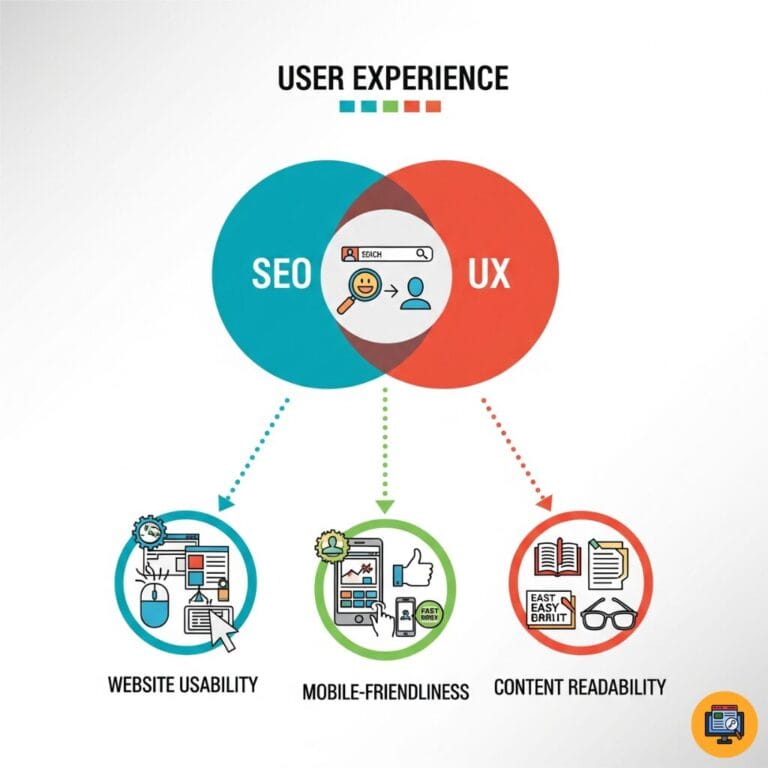
Modern SEO depends on quality content, and strong content needs SEO to reach the right people. With artificial intelligence, voice search, and changing user habits, marketers can no longer treat SEO and content as separate worlds. Marketers exploring this shift often study the SEO industry trends shaping digital marketing in 2026.
This evolution has created what experts call content-driven SEO — a strategy where content quality, search visibility, and audience experience all support one another.
The Changing Relationship Between SEO and Content Marketing
Why the Two Are Now Inseparable
A decade ago, SEO was mainly about keywords, backlinks, and rankings. Content marketing focused on storytelling and brand engagement. Today, both share a common goal — delivering useful, trustworthy, and optimized experiences for users.
Google’s updates now evaluate relevance, depth, and experience rather than keyword density. A blog post that genuinely helps readers now ranks higher than one stuffed with phrases. This means SEO is no longer a technical checklist — it’s a content strategy.
How Google’s AI and EEAT Changed the Game
Google’s EEAT model (Experience, Expertise, Authoritativeness, Trustworthiness) has redefined how content is judged. Google’s ranking framework is heavily influenced by Google EEAT guidelines that evaluate expertise and trustworthiness.
In 2026, algorithms can read tone, accuracy, and even detect human editing.
That’s why every SEO plan must include:
- Expert-driven articles written with real-world insights
- Accurate sources and citations
- Strong author identity and transparency
These factors not only build rankings but also trust.
AI and Automation: The Driving Force Behind SEO Content Integration
AI Tools Are the New Research Assistants
AI has changed how marketers research keywords and topics. Tools like ChatGPT, Jasper, and Surfer SEO now analyze search intent, cluster related topics, and even predict future keyword trends. Many teams now rely on AI powered SEO tools to analyze search intent and discover topic clusters.
Instead of manually researching hundreds of keywords, AI-driven tools now find search intent clusters that reveal what users truly want to learn.
For example, a single topic like “sustainable travel” can generate clusters around “eco hotels”, “carbon-free trips”, and “local tourism tips”.
AI Content Creation Needs Human Touch
AI can write drafts quickly, but human creativity adds emotional depth. Agencies now use hybrid workflows where AI assists in outlining and research, while human writers refine tone, examples, and storytelling.
This collaboration ensures that content meets both SEO accuracy and human engagement standards. While automation helps with research, marketers still debate AI vs human content when balancing creativity and optimization.
Search Intent Is the Heart of Modern SEO and Content
SEO starts with understanding intent, not just choosing keywords. Successful content strategies often begin with long tail keywords that match specific user questions.
Each query falls into one of these categories:
- Informational – “What is voice search SEO”
- Navigational – “Best SEO tools 2026.”
- Transactional – “Buy SEO optimization software”
Marketers now create content that matches the user’s journey stage. For example, a guide targets informational intent, while a product page focuses on transactional intent.
Why Intent Alignment Boosts Engagement
Search engines reward pages that satisfy user goals quickly. When visitors find exactly what they need, they stay longer and interact more. This improves engagement metrics — a key ranking factor.
The Role of AI Search and Generative Results
Google’s Search Generative Experience (SGE) uses AI to summarize results. Instead of a simple link list, users now see AI-generated answers pulling data from top sites. Understanding search intent optimization helps align content with the user journey.
To appear in these summaries, brands need:
- Structured content with schema markup
- Concise answers to common questions
- Expert opinions and verifiable facts
This is known as Generative Engine Optimization (GEO) — optimizing for AI-driven result boxes and answer panels. The rise of AI answers has increased interest in answer engine optimization strategies.
Zero-Click Searches and Visibility Challenges
As AI delivers direct answers, many searches end without a click. Smart content strategies now focus on visibility inside AI summaries and building brand recall instead of only link clicks. Content creators now focus on zero click SEO to gain visibility even without direct clicks.
Technical SEO That Powers Content Marketing
Why Technical Optimization Still Matters
Even the best content fails if your site performs poorly. In 2026, Core Web Vitals and mobile-first indexing remain essential. Google ranks sites based on how fast they load, how stable the layout is, and how easily users can interact with it. Even great articles require strong technical SEO fundamentals to perform well in search results.
Agencies should prioritize:
- Faster load times using CDN and image optimization
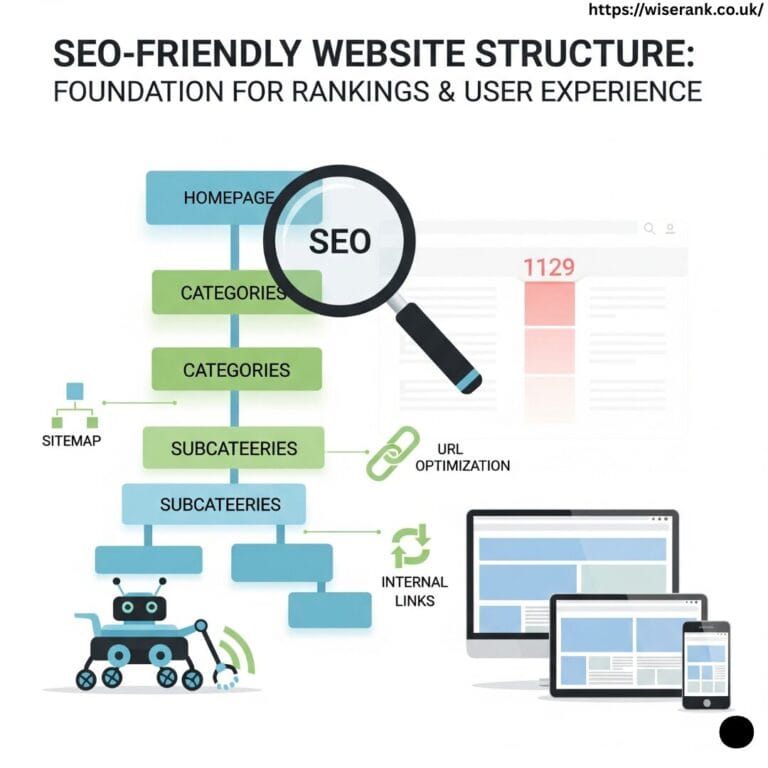
- Clean internal linking structures
- Updated sitemap and schema
- Accessibility and inclusive design
Structured Data Helps Content Get Discovered
Using JSON-LD structured data helps search engines understand content meaning. Blog posts, videos, and podcasts should include schema for Article, FAQPage, and VideoObject. This increases chances of appearing in rich results and featured snippets. Using schema markup improves visibility through structured data SEO.
Metrics That Define Success
The definition of success has evolved. Rankings still matter, but engagement metrics like scroll depth, time on page, and conversions now tell the full story. Marketers often track the ROI of SEO to measure long-term impact.
Key metrics:
- Organic traffic quality (not just quantity)
- Content engagement rate
- Conversion from informational to transactional content
- Voice and visual search impressions
- Brand mentions across platforms
How Agencies Measure ROI with AI Analytics
AI-powered dashboards like GA4 and Semrush now analyze patterns faster than humans. They track visibility across voice assistants, social channels, and AI search summaries. This multi-channel measurement provides a 360° view of ROI.
Emerging Formats Shaping SEO Content Marketing
Voice, Video, and Visual Content
The future of search isn’t just text. Smart speakers, YouTube Shorts, and TikTok videos now influence SEO visibility. The growth of voice assistants has increased the importance of voice search optimization.
To adapt, marketers create voice-friendly and visual-first content using conversational phrasing and descriptive alt text. Optimizing for “how to” questions and short clips improves reach across devices.
Interactive and Immersive Experiences
Brands are using AR and VR content for engagement. For instance, travel companies create virtual tours optimized for AI and visual search engines. Interactive formats increase dwell time and strengthen brand authority.
Content Personalization and Data Ethics
Users expect personalized experiences, but also demand data privacy. First-party data is the backbone of personalization. Brands collect insights directly through user consent, replacing cookie-based tracking. Agencies must balance personalization with transparency to maintain user trust.
Data Ethics and Responsible AI
Ethical content marketing is a ranking factor under Google’s “Helpful Content” framework. Avoid manipulative clickbait or misleading claims. Focus on factual, educational, and balanced insights backed by trusted sources.
Case Study: How an Agency Aligned Content and SEO
A global SaaS company once had separate SEO and content teams. Writers focused on storytelling, while SEOs cared only about keywords. The result was low engagement and poor ranking.
By 2024, they merged both under one strategy — content marketing SEO integration. Using topic clusters, internal linking, and intent mapping, they created content hubs for each service area.
Results within six months:
- 60 percent traffic growth
- 45 percent improvement in lead conversion
- 30 percent boost in engagement metrics
The biggest win was cultural — teams began planning together, not separately.
Common Mistakes Marketers Still Make
- Publishing AI-generated content without editing
- Ignoring schema and structured data
- Focusing only on keywords, not user value
- Overlooking mobile-first experience
- Measuring success by traffic alone
Avoiding these mistakes ensures long-term visibility and brand credibility.
Future Trends in SEO Content Integration
AI Search Assistants and Voice Interfaces
Search is moving from browsers to AI assistants. By 2026, nearly 50 percent of searches may come from voice or multimodal platforms. Optimizing for conversational and local voice queries will be essential.
Rise of Content Operations Platforms
Automation tools like Notion AI, Frase, and MarketMuse now manage entire workflows — from planning to optimization. These platforms allow agencies to scale content marketing SEO automation efficiently.
Sustainability and Ethical Content
Consumers care about authenticity. Future-focused brands invest in sustainable storytelling, sharing real experiences, and transparent data to strengthen trust.
How Businesses Can Prepare for the Blended Future?
These steps:
Step 1: Build Unified Teams
Merge content and SEO under one strategic vision. Train both writers and SEOs to understand analytics, storytelling, and technical fundamentals.
Step 2: Invest in AI Tools Wisely
Adopt tools that analyze audience behavior, automate content audits, and predict performance — but always keep human review in place.
Step 3: Focus on EEAT and Real Expertise
Publish content authored by verified experts. Include bios, credentials, and case studies to prove authority.
Step 4: Diversify Search Channels
Optimize content for Google, YouTube, Bing, Gemini, and voice assistants. Each has unique algorithms and ranking signals.
Step 5: Measure Beyond Traffic
Use engagement and conversion metrics to prove ROI. Track how content impacts brand loyalty and customer lifetime value.
Real-World Example: How Content-Driven SEO Built Brand Authority
A mid-size technology company struggled with visibility despite posting weekly blogs. Their content was creative but lacked SEO direction. Keyword targeting was inconsistent, and most articles failed to align with user intent.
Traffic was flat, and conversions from organic search stayed under 2 percent.
The marketing team realized their content was being written for people, but not for search engines — while their SEO efforts were optimized for algorithms, not for humans. This gap between storytelling and SEO was limiting their growth.
The Unified SEO and Content Strategy
In early 2024, the company restructured its workflow to blend content marketing and SEO strategy.
They used AI tools like Surfer SEO and Semrush to identify intent-based keyword clusters around their core topics. Businesses combining SEO and storytelling often follow blog SEO best practices for consistent visibility.
Their team built content hubs focusing on three main pillars:
- Educational content targeting informational intent (guides, definitions, FAQs)
- Solution-focused content for commercial intent (case studies, comparison posts)
- Conversion-focused content for transactional intent (landing pages, demos)
Each article was optimized with:
- Structured data markup using JSON-LD
- Optimized internal linking across related pages
- EEAT elements like expert bios and cited references
They also implemented a content freshness strategy, updating top-performing articles quarterly to maintain ranking signals.
The Measurable Results
Within six months, the website’s organic traffic grew by 72 percent.
Average time on page increased by 40 percent, and conversion rates rose from 1.8 to 4.5 percent.
Key achievements included:
- Five featured snippets across informational keywords
- Two blog posts ranking in Google’s AI Overviews (SGE) results
- Higher brand authority score on Semrush and improved topical depth
These improvements showed how aligning content and SEO directly influences visibility, trust, and conversion outcomes.
Lessons for Marketers
This case study proves that the future of SEO is not about chasing algorithms — it’s about aligning search optimization with user experience and brand storytelling.
Key takeaways for marketers and agencies:
- Integrate SEO early in the content creation process
- Focus on intent, not just keywords
- Use AI tools as assistants, not replacements
- Update and repurpose top-performing pages regularly
- Show expertise and authenticity in every article
When SEO and content marketing operate as one, brands gain both visibility and credibility.
In 2026 and beyond, this integrated model will be the core of all successful digital strategies.
The Future Outlook of Content Marketing and SEO
Content and SEO are no longer parallel strategies—they are one connected system. Brands that adapt to this integration era will thrive because they build both visibility and trust simultaneously.
By 2026, successful marketers won’t just chase keywords. They will focus on understanding people, solving real problems, and optimizing for intent-driven discovery.
The future belongs to brands that use AI ethically, respect data privacy, and combine SEO precision with authentic storytelling.
Conclusion
The year 2026 marks a turning point for digital marketing. SEO and content marketing have officially merged into a single discipline driven by intent, trust, and intelligent technology. Sustainable success comes from focusing on long term SEO strategies instead of quick ranking tricks.
Agencies and brands that understand this shift will not only rank higher but also connect deeper with audiences. Because at its core, the best SEO is now great content — and the best content is built for search.