Introduction to Technical SEO in Healthcare
Technical SEO ensures your healthcare website is fast, secure, and crawlable while adhering to legal requirements like HIPAA and GDPR. Unlike general websites, healthcare sites deal with sensitive patient data, making compliance crucial. A technically optimized site not only improves Google rankings but also builds patient trust.

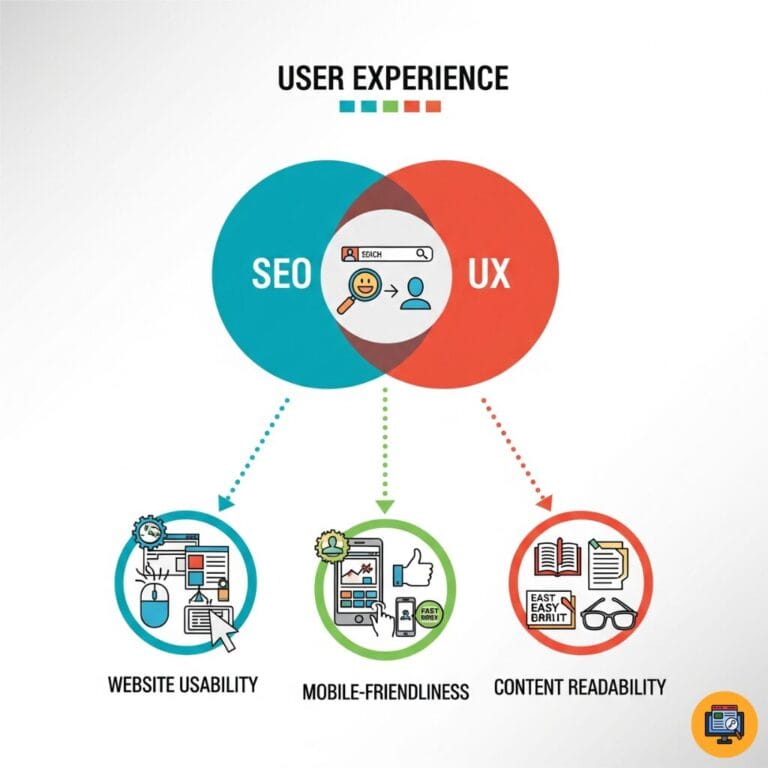
Healthcare technical SEO covers areas like mobile-first indexing, page speed, schema markup, HTTPS security, robots.txt, sitemap XML, canonical tags, and secure forms. Each factor impacts search engine visibility and user experience.
Hospitals, clinics, and telemedicine platforms that neglect technical SEO and compliance risk penalties, loss of traffic, and legal issues.
Importance of HIPAA and Compliance in Healthcare SEO
Healthcare websites must protect patient information and comply with HIPAA. Google prioritizes secure, trustworthy websites, especially in YMYL (Your Money or Your Life) sectors like healthcare.

Why Compliance Matters
- Patient Safety and Privacy: Non-compliant websites risk exposing sensitive data.
- Search Engine Trust: Google prefers secure and compliant sites, improving ranking potential.
- Legal Protection: Avoid fines and lawsuits by following HIPAA and GDPR rules.
Real-Life Example
A telemedicine platform improved its traffic by 35% after implementing HTTPS, secure portals, and structured data. Patients felt safer, and Google rewarded the website with higher rankings.
Core Components of Technical SEO for Healthcare Websites
Technical SEO ensures search engines can crawl, index, and understand your website while providing a safe experience for users.

Mobile-First Indexing Healthcare
Google predominantly uses the mobile version of your site for ranking.
- Ensure responsive design for hospitals, clinics, and doctors’ websites.
- Optimize mobile page speed, including compressed images and reduced scripts.
- Implement touch-friendly navigation for patient portals and appointment booking.
Core Web Vitals for Hospitals
Core Web Vitals measure user experience metrics like loading speed, interactivity, and visual stability.
- Largest Contentful Paint (LCP): Main content should load within 2.5 seconds.
- First Input Delay (FID): Pages should respond quickly to user interactions.
- Cumulative Layout Shift (CLS): Prevent unexpected layout shifts during loading.
Optimizing these improves patient engagement and search rankings.
Page Speed Optimization for Medical Websites
- Use browser caching and minified CSS/JS.
- Enable lazy loading for images and videos.
- Choose reliable hosting and CDNs for faster delivery.
Faster sites lead to better patient satisfaction and lower bounce rates.
Structured Data and Schema Markup
- Add MedicalBusiness, Physician, and Review schema for hospitals, clinics, and doctors.
- Implement FAQ schema on pages like appointment scheduling and telemedicine info.
- Structured data improves rich results in Google search and boosts visibility.
Security and HTTPS Implementation in Healthcare SEO
A secure website is critical for compliance and SEO.

HTTPS and SSL Certificates
- Ensure HTTPS across all pages, including patient portals.
- Use TLS certificates for encryption of sensitive data.
- Redirect HTTP pages to HTTPS to avoid duplicate content issues.
Secure Forms and Patient Portals
- Use encrypted forms for appointment bookings and patient communications.
- Avoid storing sensitive data in unprotected databases.
- Secure portals are a ranking factor and trust signal for patients.
Compliance-Aware Backlinks
- Build backlinks from authoritative healthcare domains only.
- Avoid black-hat tactics or linking to non-compliant websites.
Robots.txt, Sitemap, and Crawlability
Search engines need to discover and index your pages efficiently.
Robots.txt for Medical Websites
- Block irrelevant or sensitive pages (e.g., admin dashboards).
- Allow crawling for service pages, blogs, and patient resources.
Sitemap XML Management
- Submit updated sitemaps to Google Search Console.
- Include all critical pages, especially new doctor profiles and telemedicine content.
Canonical Tags
- Prevent duplicate content issues, particularly for multiple location clinics.
- Canonical tags guide Google to preferred URLs.
Mobile Optimization and Patient Experience
Mobile optimization is vital for patient engagement and SEO.
- Design responsive layouts for smartphones and tablets.
- Ensure fast-loading pages, even with multimedia content.
- Optimize mobile forms and CTAs for appointments and telemedicine bookings.
Mobile-friendly websites enhance patient trust and improve search engine ranking.
Compliance and Audit Checklist for Healthcare SEO
Regular audits ensure websites remain compliant and optimized.
Key Audit Areas
- HIPAA Compliance: Verify patient data encryption, secure forms, and portal security.
- HTTPS/SSL Certificates: Ensure all pages are secure.
- Core Web Vitals: Test for speed, interactivity, and layout stability.
- Structured Data: Implement proper schema markup for services, doctors, and reviews.
- Crawlability: Check robots.txt, sitemap, and canonical tags.
- Mobile Optimization: Test responsive design and touch usability.
- GDPR Compliance: Ensure data privacy for international patients.
Example: A clinic audit found duplicate URLs and non-secure appointment forms. Correcting these improved Google ranking by 20% within 2 months.
Technical SEO for Telemedicine Websites
Telemedicine platforms have unique challenges for technical SEO:

- Secure video and messaging features must be HIPAA-compliant.
- Appointment booking pages need SSL encryption and fast loading.
- Telemedicine content should include structured data for services and doctors.
Mobile-first indexing and page speed optimization are critical since most users access telemedicine via smartphones.
Common Compliance Issues in Healthcare SEO
Healthcare websites face multiple technical and compliance challenges:
- Non-secure forms exposing patient data.
- Slow-loading pages are affecting Core Web Vitals.
- Missing HTTPS on blog or landing pages.
- Duplicate content due to multiple location pages without canonical tags.
- Unoptimized mobile interfaces are reducing accessibility and rankings.
Fixing these issues improves both SEO performance and patient trust.
Tracking and Analytics for Technical SEO in Healthcare
Monitoring performance ensures continued optimization:

- Google Analytics GA4: Track user behavior and conversions.
- Search Console: Monitor crawl errors, indexing, and mobile usability.
- Core Web Vitals Tools: Lighthouse or PageSpeed Insights to track page performance.
- SEO Audit Tools: Identify broken links, duplicate content, and schema errors.
Regular tracking helps healthcare sites stay compliant and maintain rankings.
Conversion and Patient Trust Signals
Technical SEO is not only about search engines but also user trust:
- Secure forms and portals increase appointment bookings.
- Clear HTTPS, encryption, and compliance badges signal credibility.
- Fast-loading, responsive websites reduce bounce rates and increase patient engagement.
A pediatric clinic that improved site security and mobile responsiveness saw appointment bookings increase by 30% in three months.
Technical SEO Best Practices Summary

- Ensure HIPAA and GDPR compliance in every technical aspect.
- Use mobile-first design for hospital, clinic, and doctor websites.
- Optimize Core Web Vitals and page speed.
- Implement structured data and schema markup for rich results.
- Use HTTPS, SSL, secure forms, and portals to protect patient data.
- Maintain robots.txt, sitemap XML, and canonical tags.
- Regularly audit your site for compliance and SEO performance.
Following these practices ensures higher search engine rankings, patient trust, and legal safety.
Conclusion
Technical SEO in healthcare is critical for visibility, patient trust, and compliance. Hospitals, clinics, and doctors who follow HIPAA-compliant SEO, secure portals, mobile optimization, structured data, and page speed improvements will benefit from higher rankings and patient engagement.
By focusing on technical optimization, security, and compliance, healthcare websites not only perform better in search engines but also create a safe and reliable experience for patients, which is essential in the digital healthcare landscape.