Introduction to B2B and B2C SaaS SEO
SEO for SaaS companies is critical for generating organic traffic, leads, and conversions. However, the approach differs significantly between B2B SaaS and B2C SaaS. While both aim to increase visibility on Google and other search engines, their buyer personas, content strategies, and conversion funnels are different. Working with a trusted SaaS SEO agency in the UK ensures your SEO strategy is tailored to your audience, aligns with search intent, and drives sustainable organic growth.

Understanding these differences ensures your SaaS website attracts the right audience, maximizes engagement, and improves ROI. This guide explores all aspects of B2B vs B2C SaaS SEO, including strategies, keyword targeting, content, technical considerations, and analytics.
Key Differences Between B2B and B2C SaaS SEO
The SEO strategies for B2B SaaS and B2C SaaS vary based on audience, buying cycle, and decision-making.

Audience Targeting Differences
B2B SaaS focuses on decision-makers and teams, while B2C SaaS targets individual users.
- B2B SaaS: Marketing and SEO target executives, managers, and departments. Keywords often include enterprise SaaS solutions, B2B SaaS platform, SaaS software for teams.
- B2C SaaS: Marketing targets end-users directly. Keywords include freemium SaaS apps, SaaS for personal productivity, SaaS signup free trial.
Search Intent Differences
Understanding search intent is essential for optimizing SaaS content.
- B2B: Search intent is often informational or transactional with longer consideration phases. Users research ROI, integration options, and security.
- B2C: Search intent is more transactional and immediate, focusing on usability, features, and ease of adoption.
Content Type and Strategy
Content strategy differs significantly between B2B and B2C SaaS.
- B2B Content: Whitepapers, case studies, guides, feature pages, product demos, webinars. Content is educational, authoritative, and problem-solving.
- B2C Content: Blog posts, tutorials, landing pages, interactive tools, and free trial campaigns. Content is engaging, visually appealing, and conversion-driven.
Funnel and Conversion Differences
- B2B: Longer sales cycles with multiple touchpoints. SEO strategies support lead generation, nurturing, and retention.
- B2C: Shorter cycles focused on immediate conversions, app signups, and micro-conversions.
International and Multilingual SEO Considerations
Expanding a SaaS business internationally requires thoughtful SEO strategies to reach global audiences. Technical SEO, localisation, and content adaptation are critical for ensuring search engines index the right pages for the correct audience.

Hreflang Implementation
Properly implementing hreflang tags ensures search engines deliver the correct language version to users in different regions. B2B SaaS targeting global enterprises often needs multiple language versions of whitepapers, guides, and product pages. B2C SaaS may focus on landing pages and blogs in local languages to attract regional users.
Geo-Targeting and Localisation
Geo-targeting helps deliver content relevant to specific countries or regions. Adjusting currency, contact information, and product features enhances user experience. B2B SaaS focuses on enterprise needs and regulatory requirements, while B2C SaaS adapts offers, promotions, and messaging for local preferences.
International Keyword Strategy
Keyword research must consider local search intent and language nuances. Translating content without adapting it to regional search patterns can reduce performance. Using localised long-tail keywords improves organic traffic and ensures relevance for both B2B and B2C markets.
Keyword Strategy for B2B vs B2C SaaS SEO
Keywords form the foundation of any SaaS SEO campaign.

B2B SaaS Keyword Strategy
B2B SaaS keywords are long-tail, high-intent, and niche-specific.
- Examples: enterprise SaaS automation, SaaS CRM for small business, B2B SaaS lead generation software
- Target decision-makers and teams.
- Focus on search intent mapping and content alignment.
B2C SaaS Keyword Strategy
B2C SaaS keywords are short-tail, transactional, and volume-driven.
- Examples: best SaaS apps, free SaaS software, SaaS productivity tools
- Focus on user engagement and conversions.
- Leverage trending terms and search volume for SEO.
LSI and Semantic Keywords
Both B2B and B2C benefit from LSI keywords to enhance semantic relevance.
- B2B LSI Keywords: enterprise SaaS integrations, SaaS onboarding strategies, SaaS ROI calculation.
- B2C LSI Keywords: SaaS app tutorials, SaaS productivity hacks, SaaS trial signups.
On-Page SEO Differences
On-page SEO elements must align with the target audience for SaaS websites.
Title Tags and Meta Descriptions
- B2B: Emphasize problem-solving and ROI. Example: Best SaaS CRM for Enterprise Teams.
- B2C: Focus on benefits and immediate action. Example: Free SaaS App for Productivity Boost.
Content Structure
- B2B: Detailed, long-form content with headings, bullet points, and case studies. Supports E-E-A-T principles.
- B2C: Shorter, scannable content optimized for conversions and user experience.
Internal Linking
- B2B: Link feature pages, guides, and case studies to nurture leads.
- B2C: Link product pages, signups, and demo requests to increase trial conversions.
Technical SEO Considerations
Technical SEO ensures SaaS platforms are crawlable, indexable, and perform optimally.

B2B Technical SEO
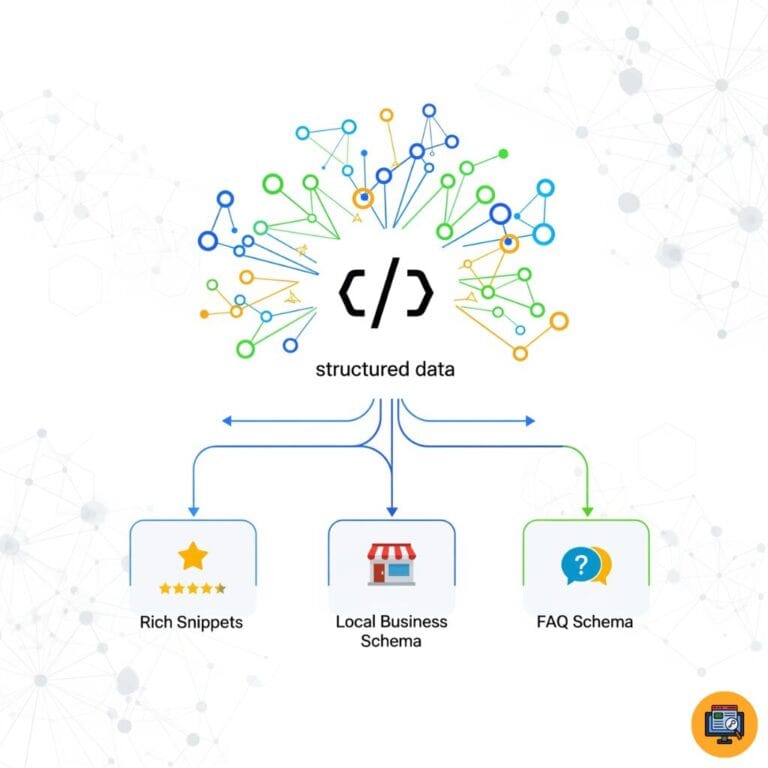
- Focus on site architecture for enterprise content, structured data for product pages, and fast-loading dashboards.
- Consider JavaScript rendering for SaaS dashboards.
- Optimize canonical URLs, pagination, and internal linking to maintain crawl efficiency.
B2C Technical SEO
- Focus on mobile-first indexing, page speed, and core web vitals for high-traffic landing pages.
- Implement structured data for app listings and free trial pages.
- Ensure smooth navigation and minimal friction to improve conversion rates.
Content Distribution and Promotion Strategies
Creating great SaaS content is only part of the equation; promoting it strategically ensures maximum reach and engagement. Organic social sharing, targeted email campaigns, and participation in relevant communities amplify visibility and build trust. Leveraging a structured content marketing strategy for SaaS ensures your articles, guides, and case studies reach the right audience and generate measurable results.
Organic Social Media Distribution
Sharing content on social channels like LinkedIn, Twitter, and Facebook helps SaaS companies reach a wider audience. B2B SaaS often focuses on LinkedIn for targeting decision-makers, while B2C SaaS uses platforms like Instagram and TikTok for broader engagement. Consistent posting and aligning with your audience’s interests can significantly increase visibility.
Email Marketing Campaigns
Email remains one of the most effective channels for SaaS content promotion. Sending newsletters with blog updates, guides, and case studies keeps subscribers engaged. B2B SaaS often personalises emails for leads and accounts, whereas B2C SaaS uses broader campaigns to drive free trial signups and product adoption.
Community and Forum Engagement
Participating in relevant communities, discussion forums, and SaaS-specific groups can amplify content reach. Engaging authentically in these spaces positions your brand as a thought leader. B2B SaaS teams often share whitepapers and research insights, while B2C SaaS shares tutorials and product tips to drive traffic and trust.
Link Building and Authority
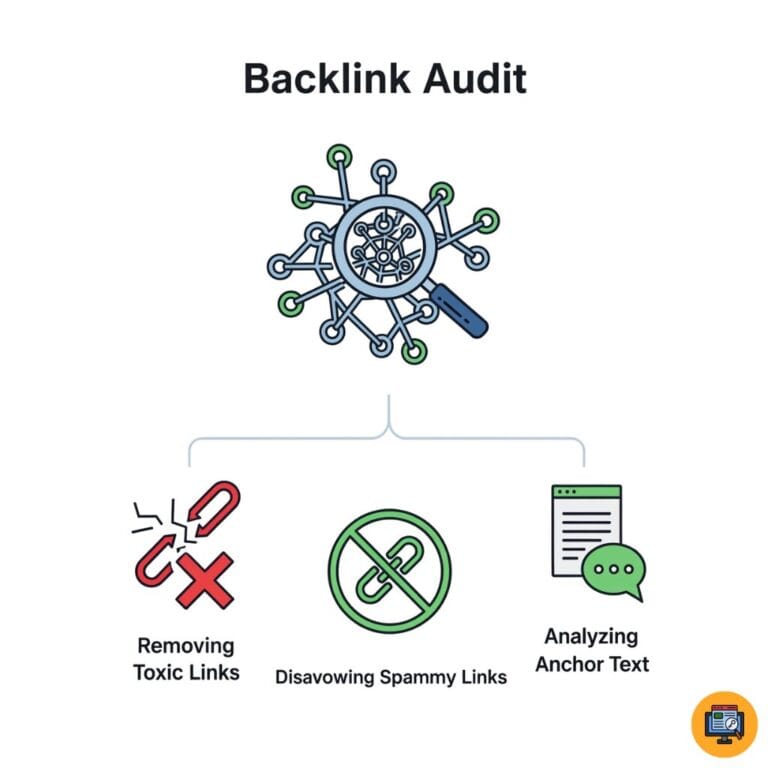
High-quality backlinks and strong domain authority are essential for SaaS SEO success. For B2B SaaS, guest posts, case study citations, and digital PR campaigns help establish credibility, while B2C SaaS benefits from outreach to tech blogs, influencers, and high-traffic review sites. Following proven link-building strategies for SaaS startups ensures sustainable authority growth.
B2B SaaS Link Building
- Guest posts on industry publications.
- Case study citations in authoritative blogs.
- Digital PR campaigns targeting SaaS enterprise media.
B2C SaaS Link Building
- Outreach to tech blogs, review sites, and influencers.
- Social sharing and referral traffic from high-volume websites.
- Collaborative campaigns and partnerships for brand mentions.
Analytics and Measurement
Tracking results ensures SEO campaigns drive growth effectively.
B2B SaaS Analytics
- Track leads generated from organic traffic, MQLs, and PQLs.
- Tools: GA4, HubSpot, Ahrefs, SEMrush.
- Measure ROI based on longer sales cycle metrics.
B2C SaaS Analytics
- Track signups, app activations, free trial conversions, and retention.
- Tools: Google Analytics, Mixpanel, Hotjar.
- Measure ROI based on shorter conversion cycles and user engagement.
Common SEO Mistakes SaaS Companies Make
Even established SaaS companies can face SEO challenges that hinder growth. Identifying and correcting these mistakes ensures better rankings, higher traffic, and improved conversions.
Ignoring Technical SEO
Many SaaS websites overlook technical SEO issues like slow page speed, improper canonicalization, or crawl errors. Addressing these problems is crucial for indexability and user experience. B2B SaaS sites with gated content and dashboards often encounter more technical challenges than B2C SaaS sites.
Overlooking User Intent
Targeting the wrong keywords or neglecting the user’s stage in the buying journey can reduce conversions. B2B SaaS should focus on decision-makers searching for enterprise solutions, while B2C SaaS targets end-users looking for self-serve or freemium products.
Weak Internal Linking and Content Structure
A poorly structured site with minimal internal linking can limit SEO performance. Organised content clusters, pillar pages, and logical navigation improve crawlability and enhance authority. Both B2B and B2C SaaS benefit from clear content hierarchies that guide users through their journey.
Challenges and Solutions
Common B2B SEO Challenges
- Complex decision-making and long sales cycles.
- Overcoming technical limitations on enterprise SaaS platforms.
- Solution: Build educational, authority-driven content and optimize technical SEO
Common B2C SEO Challenges
- High competition for short-tail keywords.
- Rapid churn of user attention.
- Solution: Focus on conversion-focused content, UX optimization, and personalization.
Future Trends in B2B and B2C SaaS SEO
The future of SaaS SEO is being shaped by AI, automation, and product-led strategies. From AI-powered keyword research to predictive search intent modeling, both B2B and B2C SaaS companies must adapt to stay competitive. Optimizing for generative search experiences and improving user experience will be crucial to drive organic traffic and seamless conversions. A comprehensive SaaS SEO checklist helps companies implement these trends effectively.

AI and Automation
- AI-powered keyword research and content personalization.
- Predictive search intent modeling for both B2B and B2C SaaS.
Product-Led SEO
- Increasing use of in-product content for self-serve users in B2B and B2C SaaS.
- Integration of content with product experiences to drive organic traffic.
Generative Search and User Experience
- Focus on generative search experiences to match user queries with precise SaaS solutions.
- Improved UX and frictionless signups will be critical for future SEO success.
Conclusion
B2B SaaS and B2C SaaS SEO strategies differ in audience targeting, keyword usage, content types, technical SEO, link building, and analytics. B2B focuses on authority, education, and nurturing long sales cycles, while B2C emphasizes conversions, engagement, and short sales cycles.
By understanding these differences and implementing entity-based, semantic SEO strategies, SaaS companies can maximize organic growth, improve conversion rates, and achieve measurable ROI.
Properly aligning your SEO strategy with the buyer persona, search intent, and content strategy ensures sustainable growth for any SaaS company.