Introduction
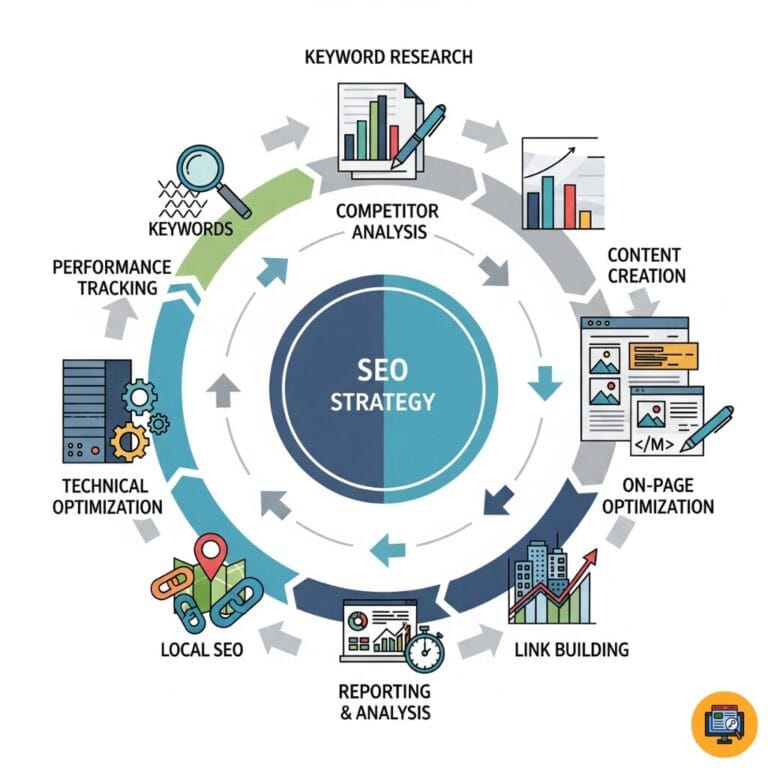
Search Engine Optimization is the backbone of modern legal marketing. While all lawyers benefit from SEO, the approach differs significantly depending on the law practice area. Personal injury lawyers focus on individual clients seeking immediate assistance after accidents, while corporate lawyers target businesses requiring ongoing legal guidance.

Understanding these distinctions is crucial for law firms to develop targeted SEO strategies that increase website visibility, generate leads, and build authority in their field. This article explores the detailed strategies for SEO in personal injury law and corporate law using semantic SEO, entities, and EEAT principles.
Understanding SEO for Different Law Practice Areas
SEO strategies must align with search intent, client behavior, and the legal niche of the law firm.
Personal Injury Lawyer SEO
Personal injury lawyers focus on clients who need urgent help. Their SEO strategies prioritize:
- Local search optimization to capture nearby clients.
- Targeted keywords for high-intent searches like car accident lawyer near me.
- Educational content about injury claims, compensation, and legal procedures.
- Online reviews and testimonials to enhance credibility and trust.
Corporate Lawyer SEO
Corporate lawyers target businesses seeking professional legal counsel. Their SEO strategies emphasize:
- Establishing authority with content on corporate law, contracts, and compliance.
- Broader geographic targeting as corporate clients may not require local proximity.
- Industry-specific keywords like corporate law services for startups.
- Thought leadership content and backlinks from business publications to build trust.
Keyword Research Strategies
Keyword research forms the foundation of effective SEO campaigns.
Personal Injury Lawyer Keyword Strategy
Focus on:
- High-intent local keywords: personal injury lawyer in [city], slip and fall attorney.
- Long-tail keywords describing specific cases: motorcycle accident attorney near me.
- LSI keywords: accident claim process, medical malpractice lawyer, injury compensation.
Corporate Lawyer Keyword Strategy
Focus on:
- Business-oriented keywords: corporate legal services, startup legal counsel.
- Long-tail keywords for industry-specific services: mergers and acquisitions lawyer, employment contract attorney.
- LSI keywords: corporate compliance consultation, legal risk management, business law advice.
On-Page SEO Techniques
Optimizing pages ensures Google and users understand your content.
Personal Injury Lawyer On-Page SEO
- H1 headings with targeted keywords for practice areas.
- Location-based meta titles and descriptions.
- FAQ sections addressing common client concerns.
- Optimized images and alt text relevant to accidents or injuries.
- Internal linking to related blog posts and service pages.
Corporate Lawyer On-Page SEO
- H1 and H2 headings targeting corporate law services.
- Service pages with detailed content explaining legal offerings.
- Downloadable resources like contracts and whitepapers.
- Schema markup for services, organization, and reviews.
- Internal links to blog posts, client case studies, and resource pages.
Content Marketing for Lawyers
Content builds trust, authority, and improves SEO rankings.

Blog Content for Personal Injury Lawyers
- Guides on filing claims and understanding legal rights.
- Case studies showcasing successful settlements.
- Educational articles about accident types and compensation.
- Infographics and visuals simplifying legal content.
Blog Content for Corporate Lawyers
- Thought leadership articles on corporate law trends.
- Case studies highlighting successful corporate transactions.
- Guides for startups, mergers, and compliance updates.
- Industry news commentary to establish expertise and authority.
Local SEO for Personal Injury Lawyers
Local SEO is critical for lawyers serving clients in specific regions.
Google Business Profile Optimization
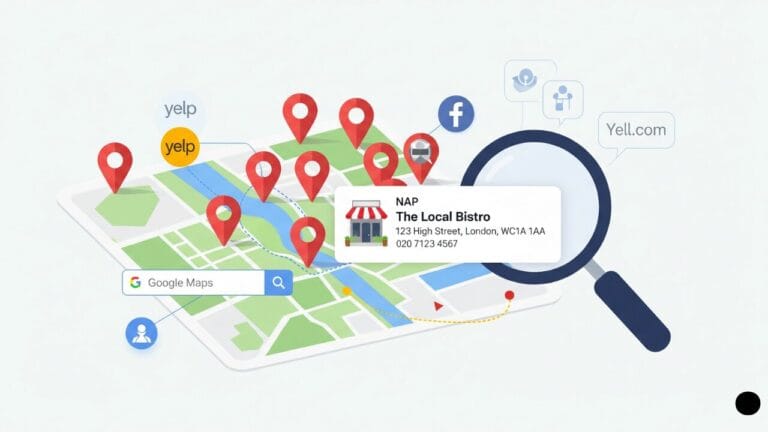
- Complete business profile with NAP consistency.
- Encourage client reviews to improve local rankings.
- Regular posts with legal tips and service updates.
- Include local keywords in descriptions and posts.
Local Citations and Listings
- Listing on directories like Yelp, Avvo, and BBB.
- Ensure consistent business information across platforms.
- Create location-specific landing pages targeting local search queries.
Authority and Backlink Strategies
Backlinks enhance domain authority and improve search rankings.
Personal Injury Lawyer Backlinks
- Partnerships with local hospitals, chiropractors, or accident clinics.
- Guest posting on local news and legal blogs.
- Links from accident claim or safety-focused resources.
Corporate Lawyer Backlinks
- Industry partnerships with chambers of commerce, corporate boards, and business publications.
- Guest posting on reputable business websites.
- Citations in corporate law whitepapers or research articles.
Technical SEO Considerations
Technical SEO ensures search engines can crawl and index your website efficiently.
Personal Injury Lawyer Technical SEO
- Fast page loading to reduce bounce rates.
- Mobile-friendly and responsive design.
- Secure HTTPS protocol.
- Clear URL structure including practice area and location keywords.
Corporate Lawyer Technical SEO
- Optimized site architecture for multiple service pages.
- Structured data for services, organization, and reviews.
- Responsive and fast design for desktop and mobile users.
- Integration with analytics to monitor leads and conversions.
Mobile SEO for Lawyers
Mobile traffic is growing, making mobile SEO essential.

Personal Injury Lawyer Mobile SEO
- Mobile-friendly contact forms and click-to-call buttons.
- Fast mobile page speed and readable content.
- Optimized images for mobile display.
- Location-based pages accessible on mobile devices.
Corporate Lawyer Mobile SEO
- Mobile-first responsive design for service pages.
- Fast-loading resource downloads for business clients.
- Mobile usability for navigating case studies, whitepapers, and service pages.
- Mobile SERP optimization with structured content.
Reviews and Reputation Management
Client reviews impact SEO, trust, and conversion rates.
Personal Injury Lawyer Review Strategies
- Encourage Google Business Profile and directory reviews.
- Respond promptly to both positive and negative reviews.
- Use testimonials on service pages to increase trust signals.
Corporate Lawyer Review Strategies
- Collect reviews from corporate clients and partners.
- Highlight client satisfaction in case studies and website content.
- Maintain consistent responses to feedback to boost authority and credibility.
Tracking and Measuring SEO Success
Monitoring metrics ensures strategies are effective.

Key Metrics for Personal Injury Lawyers
- Organic search traffic from local queries.
- Google Business Profile engagement and reviews.
- Lead generation from website contact forms.
- Keyword rankings for location-specific and case-specific terms.
Key Metrics for Corporate Lawyers
- Organic traffic from industry-specific queries.
- Leads generated from consultation requests and downloads.
- Referral traffic from authoritative corporate sites.
- Rankings for corporate law keywords and services.
Real-Life Examples
Personal Injury Lawyer Example
A law firm in Miami optimized local landing pages, published accident guides, and encouraged reviews. Within 6 months, local traffic increased by 85% and client inquiries by 50%.
Corporate Lawyer Example
A corporate law firm targeting startups published whitepapers and thought leadership blogs. Backlinks from business publications increased domain authority, resulting in a 65% growth in qualified lead inquiries over 9 months.
Conclusion
SEO strategies must be tailored to the law practice area. Personal injury lawyers benefit from local SEO, client-focused content, and review management. Corporate lawyers need authority-building content, industry-specific keyword targeting, and professional backlinks. Properly implemented SEO improves visibility, builds trust, attracts the right clients, and maximizes ROI for both types of law firms.