Expanding a website across borders is exciting, but it also brings unique SEO challenges. M2any brands fail to get traction in new markets because they don’t understand how international SEO works in practice. Through real case studies and lessons, we can learn what truly drives global visibility and what mistakes to avoid.

This guide explores proven strategies, insights from successful global campaigns, and key technical lessons learned from real-world international SEO case studies.
Understanding International SEO in Real Business Scenarios
International SEO means optimizing your website so that it ranks in multiple countries and languages. It includes technical setup, localization, domain structure, content adaptation, and regional user intent.
In simple terms, it ensures your content reaches the right audience — whether they search in English, Spanish, or Japanese.
Why Case Studies Matter
Real case studies show the difference between theory and practice. They reveal the results of applying SEO techniques, from hreflang implementation to localized keyword strategies, helping businesses replicate success or avoid mistakes.
Case Study 1: eCommerce Brand Expanding Across Europe
An eCommerce company selling outdoor gear wanted to reach users in France, Germany, and Spain. They started with a single .com domain and English-only content.

The Challenge
They struggled with duplicate content, wrong URL targeting, and poor visibility in non-English markets.
The Strategy
- Implemented hreflang tags for regional targeting (en-gb, fr-fr, de-de, es-es).
- Translated product descriptions manually for accuracy.
- Built localized backlinks from regional magazines and sports blogs.
- Improved page speed using a CDN to serve content faster across Europe.
The Results
- 185% increase in organic traffic from European markets in six months.
- Bounce rate decreased by 40% due to local language versions.
- Revenue growth from international orders rose by 120%.
Lesson Learned: Proper localization and hreflang implementation are more effective than simply translating content. Search engines and users reward tailored experiences.
Case Study 2: SaaS Company Fixing Duplicate Content Across Regions
A global SaaS company had one English site for the US, UK, and Canada. Despite good content, their UK pages didn’t rank.
The Challenge
Google treated similar content for these regions as duplicates, reducing visibility in local search results.
The Strategy
- Added regional pages with localized spellings and currency formats.
- Used canonical tags and hreflang attributes to clarify relationships.
- Introduced regional blog content covering local laws and trends.
The Results
- UK organic traffic grew by 92% in three months.
- Click-through rate improved by 30% due to locally relevant metadata.
- Better alignment between user intent and page content.
Lesson Learned: Even small regional differences — such as spelling or currency — help Google identify localized versions as unique.
Case Study 3: Global Retailer Migrating from ccTLDs to a gTLD
A retail company with multiple country domains (.fr, .de, .uk) found managing SEO across them was complex and costly.
The Challenge
Each country’s SEO performance was isolated, and link equity was split among domains.
The Strategy
- Consolidated all versions under one gTLD (.com) with subfolders (/fr/, /de/, /uk/).
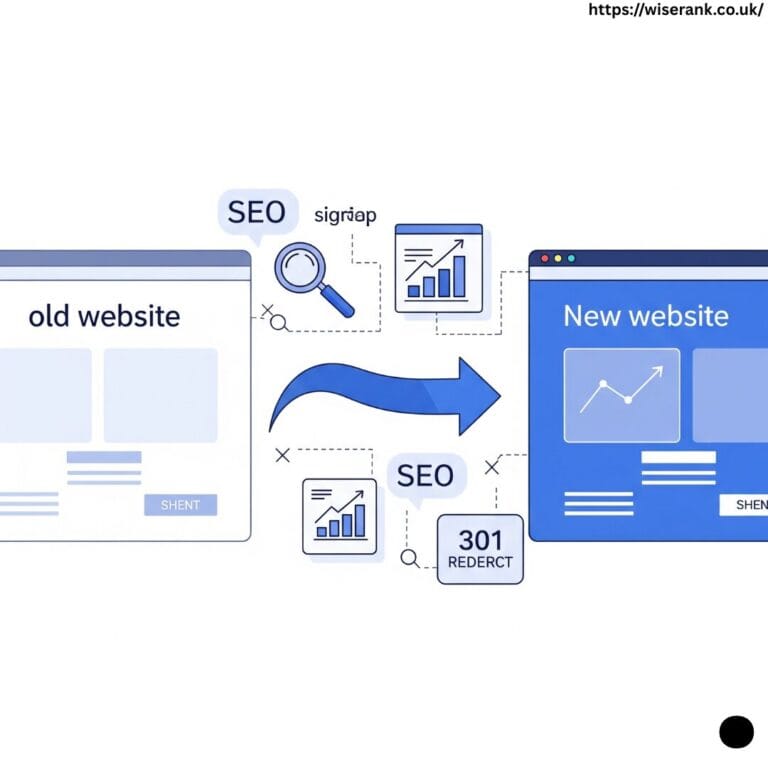
- Set up 301 redirects from each ccTLD to the new structure.
- Updated hreflang and sitemap entries for accurate international targeting.
- Used Google Search Console to verify properties for each region.
The Results
- Organic traffic increased 145% within five months.
- Domain authority strengthened due to consolidated backlinks.
- Maintenance time reduced by 60%.
Lesson Learned: For some brands, using one strong global domain is more scalable than managing multiple ccTLDs.
Key Technical SEO Lessons from International Case Studies

Hreflang Implementation Is Non-Negotiable
Hreflang tells Google which version of your page serves which country or language. Missing or misused tags can cause duplicate content or wrong page indexing.
Pro Tip: Always include self-referencing hreflang tags and ensure canonical tags align with your regional URLs.
Canonicalization Across Markets
When you have similar content for multiple markets, use canonical tags wisely.
- Point them to the preferred regional version.
- Avoid using the same canonical tag for different markets, or you risk deindexing localized pages.
URL Structure and Domain Strategy
Choosing between ccTLDs, subdomains, or subdirectories impacts visibility and management.
Insights from real examples:
- ccTLDs strengthen local trust but divide authority.
- gTLDs with subfolders support unified SEO power.
- Subdomains can work but often dilute link equity.
Content Localization vs. Translation
Most case studies show that machine translation underperforms. Localizing tone, references, and examples increases user trust and engagement.
Example:
A travel company replaced direct translations with local idioms and cultural examples. Their click-through rates improved by 47% in target markets.
Crawl Budget and Indexing Control
In large multilingual sites, search engines waste crawl budget on duplicates.
Use these techniques:
- Block parameterized or filter pages with robots.txt.
- Consolidate near-duplicate content with canonical tags.
- Monitor crawl logs to identify pages being unnecessarily crawled.
Common Mistakes Seen in International SEO Projects
- Ignoring local keyword research and assuming global search intent.
- Failing to add localized metadata (titles, descriptions).
- Overlooking mobile performance in low-bandwidth countries.
- Misconfiguring hreflang or canonical tags.
- Using auto-redirects by IP instead of user choice.
- Hosting content far from target regions.
- Publishing untranslated or incomplete pages.
Fix: Test international setups before full rollout using tools like Screaming Frog, Sitebulb, and Google Search Console International Targeting.
Case Study 4: Localization and Conversion Uplift
A fashion brand localized its product listings for Japan, including visuals, descriptions, and payment methods.
The Strategy
- Adapted content tone to Japanese cultural norms.
- Used regional payment options and delivery info.
- Optimized metadata for Japanese search terms.
The Results
- 78% increase in conversions from localized pages.
- Organic impressions doubled for product-related searches.
- Higher dwell time and engagement rates.
Lesson Learned: True localization includes content, UX, and trust signals, not just language.
Real Tools and Platforms Used in Global SEO Case Studies
- Google Search Console: Country targeting, hreflang validation, indexing status.
- Ahrefs / SEMrush: Keyword research and backlink analysis by region.
- Lighthouse / PageSpeed Insights: Global site performance.
- Weglot / Lokalise / WPML: Managing translation and localization workflow.
- CDN Platforms (Cloudflare, AWS CloudFront): Improving site speed globally.
Using a mix of these tools ensures technical accuracy and content relevance for every market.
Lessons Learned from International SEO Case Studies
1. Plan for Localization Early
Design your site and CMS to handle multilingual content and regional targeting before expansion.
2. Data Guides Decisions
Track traffic by country, conversion rates, and keyword rankings. Use these insights to prioritize high-performing markets.
3. Align Technical and Content Teams
SEO success depends on collaboration between developers, translators, and marketers.
4. Measure and Iterate
Global SEO is ongoing. Test, analyze, and refine strategies per region. Monitor user behavior and engagement data continuously.
5. Build Local Authority
Secure backlinks from local publishers, directories, and influencers. Regional trust helps rank faster in target markets.
How to Apply These International SEO Lessons to Your Site
Step 1: Audit Your Existing Setup
Check domains, hreflang, and localized metadata for errors.
Use tools like Screaming Frog or OnCrawl to find duplicates or technical gaps.
Step 2: Conduct Local Keyword Research
Use country filters in Ahrefs, SEMrush, or Google Keyword Planner to identify search demand by language and region.
Step 3: Optimize for Local Intent
Adapt content examples, images, and currency formats to match each audience’s culture.
Step 4: Monitor Performance by Country
Track regional rankings, click-through rates, and conversions to measure success accurately.
Step 5: Build a Scalable Workflow
Use a Translation Management System (TMS) to manage updates across languages efficiently.
Measuring ROI and Performance of International SEO
Tracking success is one of the most important steps in any global SEO strategy. Once you have launched localized content, implemented hreflang, and improved site structure, you must measure the return on investment (ROI) to know what’s truly working.
Track Performance by Market and Language
Set up tracking in tools like Google Analytics 4 and Google Search Console for each language or country version of your site. Monitor:
- Organic sessions by country
- Click-through rates (CTR) from local SERPs
- Conversions by currency and market
- Keyword ranking changes per region
This data helps you compare which markets are growing and which need better optimization.
Measure Real SEO ROI
Calculating ROI involves more than traffic. Combine these metrics:
- Revenue from organic channels in each country
- Cost of localization, content creation, and translation
- Link building and outreach costs per region
Analyze Engagement and User Experience
Look beyond traffic. Track metrics like bounce rate, average session duration, and conversion rate for each region. If one country version performs better, study what makes it successful — it could be cultural relevance, faster page speed, or localized CTAs.
Use Analytics Dashboards for Global SEO Insights
Use visualization tools like Data Studio, Tableau, or Looker to display your performance by country. This helps teams and executives clearly see the impact of localization efforts and global campaigns.
Final Thoughts
International SEO is not just about expanding reach — it’s about connecting authentically with audiences across cultures. Real case studies prove that success depends on technical precision, cultural understanding, and continuous optimization.
Brands that combine localized content, smart technical SEO, and consistent data monitoring can dominate search results worldwide.