Understanding the March 2025 Algorithm Update
Every few months, Google refreshes its core ranking system to improve search quality. The March 2025 Algorithm Update is one of the most impactful in recent years, affecting millions of websites worldwide.

This update focuses on content helpfulness, user experience, and technical SEO stability. According to Search Engine Land and SISTRIX, volatility during the first week of rollout was comparable to the August 2023 Core Update, showing noticeable ranking shifts across multiple industries.
Unlike minor updates, this one combines core ranking changes with improvements to Google’s AI systems like the Helpful Content System and SpamBrain, making it both broader and smarter.
Why Google Released the March 2025 Update?
Improving Search Relevance and Quality
The update targets websites that produce thin, repetitive, or unoriginal content. Google’s machine learning systems have become more capable of detecting content made for rankings rather than readers.
By refining how the algorithm interprets E-E-A-T signals — Experience, Expertise, Authoritativeness, and Trustworthiness — Google aims to reward genuine voices that demonstrate first-hand knowledge, accurate reporting, and good user engagement.
Aligning with AI and User Intent
The March 2025 update works closely with AI-driven ranking models such as MUM (Multitask Unified Model) and SGE (Search Generative Experience). These models understand user intent beyond keywords, analyzing how well a page answers complex, multi-step queries.
Websites that demonstrate depth, interactivity, and clarity benefited the most from this shift.
Key Focus Areas of the March 2025 Algorithm Update
This update reshaped how websites are evaluated in three main ways.

1. Content Depth and Originality
- Preference for people-first content backed by original insights, data, or first-hand expertise
- Reduction in visibility for AI-rewritten or templated posts
- Greater importance placed on topic clusters and content structure
2. Technical SEO and Page Performance
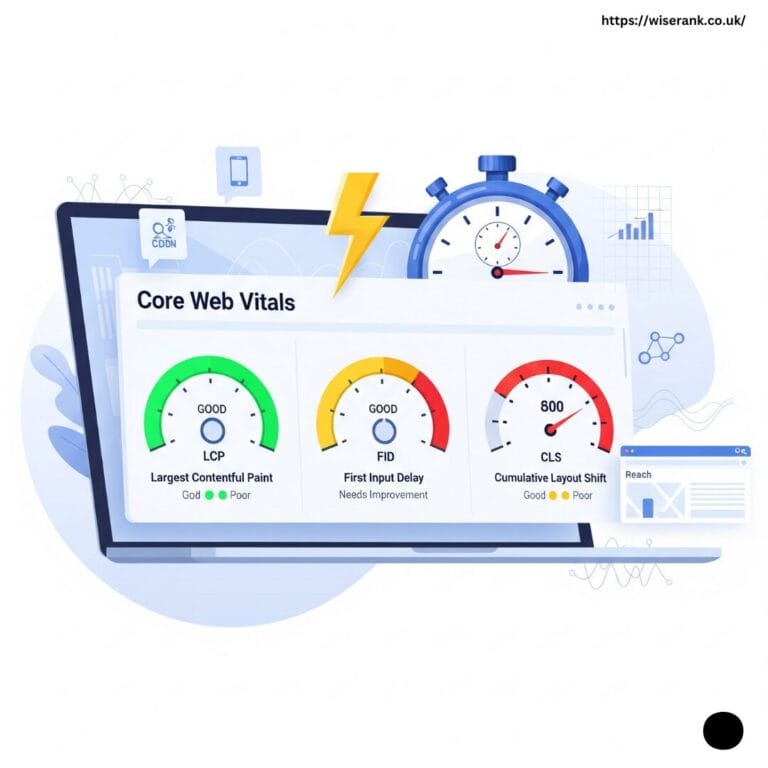
- Core Web Vitals (LCP, CLS, FID) became stronger trust signals
- Mobile-first indexing and rendering issues caused ranking volatility
- Clean site architecture, internal linking, and crawl efficiency gained importance
3. Brand Trust and Entity Recognition
- Entities with consistent brand voice and identity were rewarded
- YMYL (Your Money Your Life) sites faced more scrutiny for accuracy
- Verified authorship and proper schema markup boosted trust signals
How the Rollout Happened
The March 2025 update began on March 12, 2025, and completed by April 4, 2025.
During the first week, SERP volatility reached its peak, especially across the finance, health, travel, and e-commerce verticals.
Data from Semrush Sensor, MozCast, and SISTRIX Visibility Index all showed similar movement patterns — high turbulence followed by stabilization around late March.
Google confirmed through Search Central that the update also included minor spam detection refinements, merging signals from previous spam and helpful content systems.
Early Winners of the March 2025 Algorithm Update
The winners of this update share a common trait — authentic, user-first content combined with strong technical SEO foundations.

1. Large News and Authority Websites
Major publishers with verified editorial teams and structured data saw visibility growth. Examples include outlets like Reuters, CNBC, and Healthline, which maintain consistent author bios, factual reporting, and transparent sourcing.
2. Educational and Government Websites
Official education domains, online learning platforms, and government sources benefited due to high trust signals and clear content hierarchies. Search data showed increased visibility for .edu and .gov sites across many topics.
3. High-Quality E-commerce Brands
E-commerce brands that provide original product descriptions, user reviews, and transparent policies gained rankings. Websites using schema.org Product markup, fast mobile design, and Core Web Vitals optimization saw measurable performance boosts.
4. Forums and Verified UGC Platforms
Unlike past updates, this core update revived credible user-generated content (UGC). Platforms such as Reddit and Quora benefited, as Google recognized first-hand discussions and community experience as authentic signals of value.
5. Strong Local and Service-Based Businesses
Local business sites that optimized for Google Business Profiles, reviews, and localized schema gained visibility. Google’s goal to improve real-world relevance helped regionally trusted businesses outperform generic directories.
Early Losers of the March 2025 Algorithm Update
While many gained visibility, some sectors experienced notable declines due to outdated or manipulative practices.
1. Affiliate and Review Sites Without Experience
Affiliate sites with generic product reviews or unverified claims were major losers.
Pages that lacked proof of first-hand product use dropped sharply, especially in the tech and lifestyle categories.
2. Low-Value AI or Aggregated Content Websites
Sites publishing auto-generated or republished content saw a steep decline.
Google’s AI systems can now detect lack of originality, even when language models produce grammatically correct text.
3. Forums With Poor Moderation
While genuine forums improved, those with spammy user posts or outdated threads declined.
Google prioritizes active discussions that provide fresh, context-rich answers.
4. Niche Blogs With Thin or Duplicated Content
Many small blogs that relied on keyword stuffing or content spinning lost rankings.
Thin category pages without depth or topic authority signals were also affected.
5. Over-Optimized E-commerce and Affiliate Networks
Online stores that duplicated product descriptions across multiple domains or relied heavily on affiliate automation were reclassified as low-trust.
Industries Most Affected by the March 2025 Update
The effects varied by sector, showing Google’s deeper focus on content trust and accuracy.
| Industry | Observed Impact | Reason |
| Health & Wellness | High volatility | Strong E-E-A-T enforcement and fact-checking |
| Finance & Crypto | Moderate to high | Misinformation and speculative content penalized |
| E-commerce | Moderate | Product content depth and UX mattered |
| Travel | Mixed | Authentic reviews and guides rewarded |
| Education | Positive | High authority and clear sourcing rewarded |
| Tech & Gadgets | Negative for affiliate blogs | Low originality and review trust issues |
How to Adapt and Recover After the March 2025 Update?
Recovery is possible with consistent effort. Google emphasizes long-term improvement over quick fixes.
1. Perform a Core Update Site Audit
Focus on:
- Content quality and originality
- Internal linking and crawl structure
- Schema markup accuracy
- Page load time and mobile usability
- Keyword-to-topic relevance
Tools:
Google Search Console, Screaming Frog, Semrush, Ahrefs, Core Web Vitals Report
2. Rebuild Content Around Experience and Authority
Ask:
- Does this article show real experience?
- Are sources and citations visible?
- Is the content structured for both users and Google’s machine understanding?
Add author bios, first-hand case studies, unique visuals, and accurate references.
3. Fix Technical SEO and Accessibility
Ensure:
- No broken redirects or orphan pages
- Fast server response times
- Optimized internal linking depth
- Correct hreflang setup for multilingual pages
- Accessible design and compliant color contrast
Google’s systems reward smooth, accessible user experiences as indicators of site quality.
4. Strengthen Entity and Brand Authority
- Use consistent branding and schema (Organization, Person, Article)
- Link to credible sources and related entities
- Maintain updated About, Contact, and Privacy pages
- Build topical clusters around core expertise areas
Entity-based SEO helps Google’s Knowledge Graph recognize your brand as trustworthy and authoritative.
5. Monitor Visibility and User Metrics
Use analytics tools to track recovery trends:
- GA4 for user engagement, bounce rate, and dwell time
- Search Console for impression and click recovery
- SISTRIX or Semrush for visibility tracking
Track performance every week post-update to measure reclassification and improvement areas.
Real-Life Example of Recovery
A digital marketing agency blog lost 50 percent of its organic visibility after the March 2025 update.
By consolidating thin articles into comprehensive topic clusters, improving page speed, and adding expert-authored content, the site recovered to 85 percent of its original traffic within three months.
This shows recovery depends on quality consistency, data validation, and audience understanding.
Technical SEO Insights From the Update
1. Crawl Budget and Indexing Behavior Changed
Large sites with inefficient architecture faced slower reindexing.
Flat structures with proper sitemaps and reduced crawl depth performed better.
2. Core Web Vitals Became More Important
Fast-loading sites with stable visuals (good CLS) saw measurable ranking improvements.
3. Schema Validation Now Affects Discover Visibility
Pages using proper JSON-LD markup for authorship, product, and FAQ schema gained visibility in Discover and Featured Snippets.
What This Update Means for the Future of SEO
1. AI-Assisted SEO Will Require Human Oversight
AI tools can speed up research but cannot replace real expertise.
Google’s systems now evaluate depth, tone, and credibility.
2. Experience Will Outrank Automation
Creators who show first-hand experience and expertise will maintain long-term ranking stability.
3. Entity-Based SEO Is the New Foundation
Search is shifting from keywords to topic relationships and knowledge entities.
Brands that establish clear topical authority through structured, linked content will dominate future updates.
How the March 2025 Update Redefines Helpful Content and User Experience?
The March 2025 Algorithm Update is not just about keyword relevance or backlinks. It’s about how people feel when they visit your page.
Google’s systems, including the Helpful Content System and Core Web Vitals, now measure signals like:
- Time spent on page
- Scroll depth and interaction
- Page layout shifts (CLS)
- Loading speed and mobile responsiveness
These signals reveal whether your content is satisfying, readable, and trustworthy.
Creating Truly Helpful Content
To perform well post-update:
- Write from real experience — include results, photos, or examples.
- Simplify long topics into clear sections with jump links.
- Add FAQ schema for quick answers.
- Prioritize mobile design and fast loading for accessibility.
A travel site, for example, recovered from a 40 percent drop after replacing AI summaries with step-by-step guides and authentic visuals. Users stayed longer and shared pages more often — exactly the signals Google rewards.
This update proves that SEO and user satisfaction are now the same goal. Sites that create content users actually finish reading will see the biggest gains in future updates.
Checklist for Site Owners Post-March 2025 Update
✅ Audit all content for originality and depth
✅ Remove duplicate or outdated articles
✅ Add author bios, experience details, and sources
✅ Improve Core Web Vitals and mobile usability
✅ Verify schema markup and metadata
✅ Reassess internal link flow
✅ Track ranking volatility using GA4 and Search Console
✅ Rebuild brand trust through expert-backed content
Conclusion
The March 2025 Algorithm Update reinforces Google’s mission — to deliver authentic, experience-driven, and trustworthy information. Websites that focus on helpful content, technical health, and entity-based SEO will thrive, while those relying on shortcuts will continue to lose ground.
By aligning your content with Google’s quality systems and user intent, you can turn algorithm changes into lasting growth opportunities.