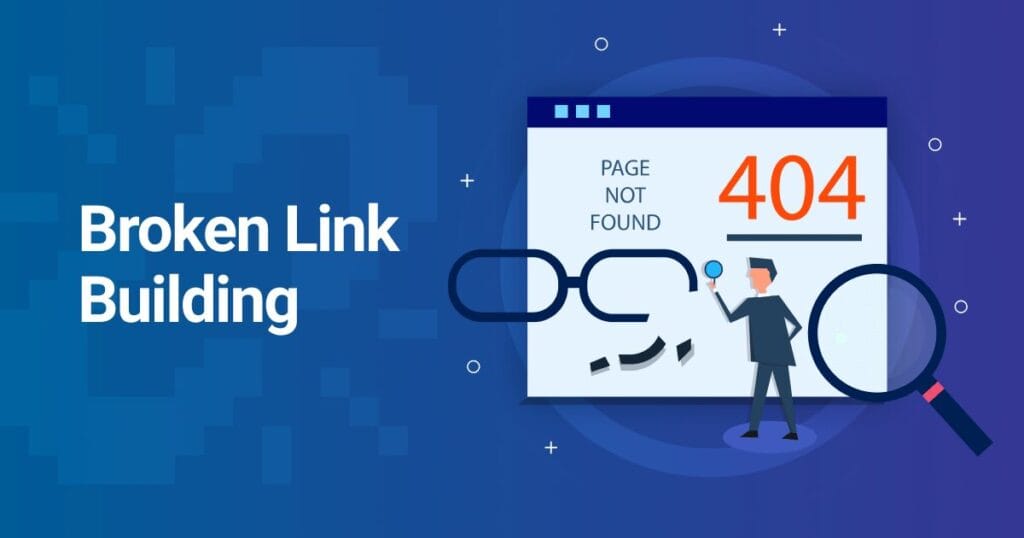
What Is Broken Link Building and Why It Works?
Broken link building is a white hat SEO strategy, especially useful when your site already follows strong structured data practices that improve trust. This technique provides genuine value to webmasters while earning quality backlinks for your site.
The strategy works because it creates a win-win situation: website owners fix broken links that hurt user experience, and you earn relevant backlinks from authoritative sites. This ethical approach aligns perfectly with search engine guidelines.
Why Broken Link Building Remains Effective in 2026?
Unlike manipulative link-building tactics that risk penalties, broken link-building helps webmasters solve real problems while naturally earning editorial backlinks. This ethical method aligns perfectly with Google’s rules, similar to other off-page SEO techniques.
This link reclamation strategy continues working because broken links constantly appear as websites remove content, domains expire, and pages get deleted.
The Value Exchange
You help site owners fix user experience issues, provide better replacement content than the original, save webmasters time finding alternatives, and earn quality backlinks through genuine value provision. Helping webmasters fix broken pages prevents issues such as thin content problems that hurt SEO.
SEO Benefits
Broken link building earns contextual links from relevant pages, acquires backlinks from high-authority domains, builds natural-looking link profiles, and generates sustainable long-term results. Broken link building naturally improves authority and complements a strong technical SEO checklist approach.
Low Competition Advantage
Many SEO professionals overlook this strategy; broken links constantly create new opportunities, competitors cannot easily replicate your specific content, and relationship building opens future collaboration doors. Since many ignore it, you can outperform competitors by combining this method with proper crawl budget optimization.
Essential Tools for Finding Broken Links
Effective broken link building requires the right tools to identify opportunities efficiently and analyze backlink potential. Unlike manipulative tactics, this strategy improves UX and avoids issues like indexing problems caused by outdated links.
Free Broken Link Finder Tools
Check My Links Chrome extension scans pages for broken links instantly, Google Search Console identifies broken internal and external links, Dead Link Checker analyzes entire websites for 404 errors, and W3C Link Checker validates links on any page.
Premium SEO Tools
Ahrefs Site Explorer shows broken backlinks and 404 pages, SEMrush Site Audit identifies broken links across domains, Moz Link Explorer reveals dead link opportunities, Majestic Backlink Checker tracks broken referring links, and Screaming Frog crawls sites to find all broken URLs.
Outreach and Management Tools
Hunter.io finds email addresses for outreach, BuzzStream manages broken link campaigns, Pitchbox automates outreach workflows, and Mailshake handles follow-up sequences.
How to Evaluate Whether a Broken Link Is Worth Pursuing
Not every broken link opportunity is worth your time. Smart SEO professionals filter opportunities before investing effort in outreach. Avoid bad links — focus on pages with good indexing and strong keyword placement signals.
Chasing low-quality or irrelevant links wastes time and delivers little SEO impact. Strategic evaluation ensures you focus only on links that can genuinely strengthen your backlink profile.
Check Page Relevance
Make sure the topic matches your content and follows proper hreflang best practices if targeting multilingual pages.
- Is the page closely related to your niche?
- Does your content naturally fit within the context?
- Would users genuinely benefit from your replacement?
If the topic mismatch is obvious, skip it.
Assess Domain Authority and Trust
Use tools like Ahrefs, Moz, or SEMrush to evaluate:
- Domain Authority (DA)
- Organic traffic
- Backlink profile quality
- Spam score
Prioritize domains with real traffic and strong authority over inflated metrics. Always check site authority and spam signals — look for sites with solid SEO site architecture.
Analyze Link Placement
Where the broken link appears matters significantly:
- Contextual links within paragraphs are most valuable
- Sidebar links have moderate value
- Footer links usually offer limited SEO impact
Contextual editorial links carry more ranking power.
Check Indexing Status
Search the page URL in Google:
- If it’s indexed, it has SEO value
- If it’s not indexed, the page may be low quality or abandoned
There is little value in earning links from pages Google ignores.
Evaluate Traffic Potential
If the page receives traffic, your link may generate:
- Referral visitors
- Brand exposure
- Long-term engagement
High-traffic pages offer both SEO and business benefits.
Strategic filtering ensures your broken link-building efforts produce meaningful results rather than just increasing link count.
Step One: Finding Broken Link Opportunities
Successful broken link building starts with identifying the most valuable opportunities in your niche.
Focus on finding broken links on relevant, high-authority websites where your content naturally fits.
Searching for Resource Pages
Use Google search operators like “your keyword” + “resources” or “your niche” + “useful links” to find resource pages, industry roundups with multiple links, and curated link lists in your field.
Analyzing Competitor Backlinks
Export competitor backlink profiles from Ahrefs or SEMrush, filter for broken or lost links, identify pages linking to removed content, and find opportunities where competitors lost valuable backlinks.
Finding Broken Links in Your Niche
Search for common 404 pages in your industry, look for outdated content that was removed, find expired domains that previously ranked well, and identify discontinued tools or resources. Contextual links carry more value than footers, especially when supported by correct redirect handling.
Evaluating Link Quality
Check domain authority of the linking site using Moz or Ahrefs, verify the page has relevant traffic and engagement, assess topical relevance to your content, and ensure the page actively maintains other links.
Finding Broken Links on High Authority Sites
Targeting high-authority domains maximizes the SEO value of each link you earn through broken link building. Links from trusted sites like educational institutions, government pages, and industry leaders provide significantly more ranking power.
Strategic targeting of authoritative sites ensures your efforts focus on opportunities with the highest potential impact.
Strategies for Finding High DA Opportunities
Focus your broken link prospecting on the most valuable sites:
- Use Ahrefs or Moz to filter sites by DA 50+
- Target .edu and .gov domains with authority
- Find broken links on Wikipedia reference pages
- Search major industry publications and resources
- Use “site:.edu + your keyword + resources” operators
- Check top-ranking pages in your niche
- Prioritize sites with strong organic traffic
Step Two: Creating Superior Replacement Content
Your replacement content must genuinely improve upon what existed before to justify the link replacement. Improve structure, update data, and format content following this semantic search optimization approach.
Analyzing the Original Content
Research what the broken page originally covered using Wayback Machine, understand why people linked to it originally, identify gaps or outdated information, and determine what made it link-worthy.
Creating Better Alternatives
Make your content more comprehensive than the original, update information with current data and research, add visual elements like images or infographics, improve readability and structure, and provide unique insights or perspectives.
Content Format Options
Develop detailed how-to guides, create comprehensive resource lists, build useful tools or calculators, design informative infographics, or publish original research and data.
Optimization Best Practices
Target relevant keywords naturally, structure content with clear headings, ensure mobile responsiveness, optimize page speed for good user experience, and include internal links to related content.
Step Three: Identifying Contact Information
Finding the right person to contact increases your success rate significantly.
Locating Website Owners
Check the site’s contact or about page, use WHOIS lookup for domain registration details, search LinkedIn for website owners or editors, and look for author bylines on relevant content.
Finding Email Addresses
Use Hunter.io to find email patterns, try common formats like [email protected], check social media profiles for contact info, and look for email addresses in page source code.
Verifying Contact Quality
Confirm the email address is current, identify the appropriate person not generic addresses, verify they handle content or webmaster duties, and check if they respond to previous emails publicly.
Step Four: Crafting Effective Outreach Emails
Your outreach email determines whether site owners will consider your replacement content.
Personalized, helpful emails generate significantly higher response rates than generic templates.
Subject Line Best Practices
Keep subject lines clear and specific, mention the broken link issue directly, avoid spam trigger words, and create urgency without being pushy.
Email Structure That Works
Open with personalized greeting using their name, mention specific broken link on specific page, briefly explain how you discovered it, offer your content as helpful replacement, and keep total length under 150 words.
Value-First Approach
Lead with helping them fix the issue, explain user experience benefits, position your content as genuine solution, and avoid overly promotional language.
Including Necessary Details
Provide exact URL of page with broken link, specify the broken link URL clearly, include your replacement content URL, and suggest specific anchor text if appropriate.
Step Five: Following Up Without Being Pushy
Most successful broken link placements require at least one follow-up email.
Timing Your Follow-Ups
Wait 5-7 days before first follow-up, send second follow-up after another week, limit to 2-3 total follow-ups maximum, and accept no response as decline gracefully.
Follow-Up Email Tips
Reference your previous email briefly, add new value or information, keep follow-ups even shorter, maintain friendly professional tone, and make declining easy with no hard feelings.
When to Move On
No response after three attempts, explicit decline or no interest, broken link already fixed differently, or site appears abandoned or inactive.
Tracking and Measuring Success
Monitor your broken link building campaigns to refine strategy and demonstrate results.
Metrics to Track
Count emails sent and response rates, measure link placements secured, track domain authority of acquired links, monitor referral traffic from placements, and calculate time invested per successful link.
Using Analytics Tools
Set up Google Analytics to track referral traffic, monitor backlinks in Google Search Console, use Ahrefs or SEMrush for link monitoring, and track ranking improvements for target keywords.
Campaign Documentation
Maintain spreadsheet of all outreach, record which sites responded positively, note successful content types, and document what messaging worked best.
ROI Calculation
Calculate average time per acquired link, assess quality of links earned, measure traffic and ranking improvements, and compare to other link building costs.
Strengthen Your Backlink Strategy with Complete Off-Page SEO
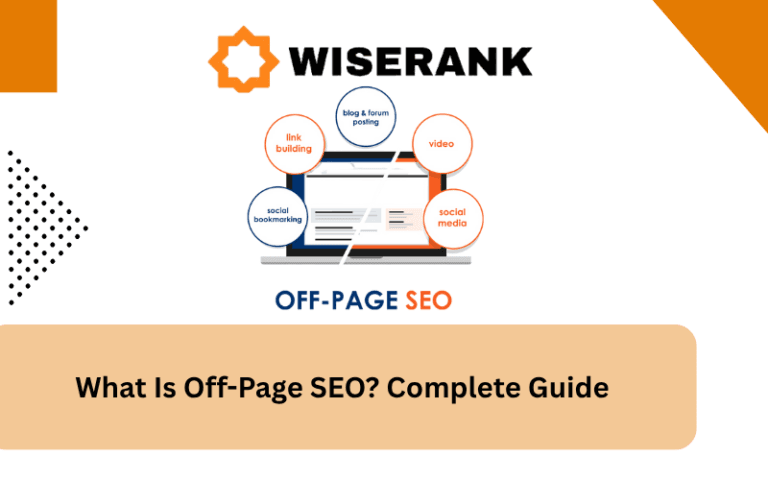
Broken link building is an effective and ethical way to earn high-quality backlinks while helping webmasters fix outdated resources. But to see the best results, it should be part of a broader off-page SEO strategy. Off-page SEO focuses on everything that builds your site’s authority beyond its own pages, including backlinks, brand mentions, digital PR, and social signals. When combined with a solid link-building plan, off-page SEO helps improve your website’s credibility, boost search rankings, and drive long-term organic growth. A complete off-page approach ensures your link-building efforts contribute to sustainable and scalable SEO success.
Common Broken Link Building Mistakes
Avoid these frequent errors that reduce success rates and waste valuable time.
Critical Errors to Avoid
- Reaching out about links you cannot replace adequately
- Sending generic mass emails without personalization
- Offering low-quality content as replacement
- Being too aggressive in follow-ups
- Ignoring site relevance and authority
- Failing to verify broken links before outreach.
Quality Over Quantity
Focus on fewer high-quality opportunities, personalize every outreach message, create genuinely superior replacement content, and build relationships beyond single transactions.
Advanced Broken Link Building Tactics
Once you master the basics, these advanced strategies maximize results.
Resource Page Link Reclamation
Target curated resource pages with multiple links, offer to help update entire outdated sections, provide multiple valuable resources not just yours, and position yourself as helpful contributor.
Competitor Link Reclamation
Monitor when competitors lose backlinks, reach out immediately when links break, offer improved alternatives to competitor content, and build relationships with sites linking to competitors.
Creating Linkable Assets
Develop comprehensive guides designed to replace common broken resources, build free tools addressing needs of broken resources, and create updated versions of outdated popular content.
Scaling Your Efforts
Develop repeatable outreach processes, use templates while maintaining personalization, train team members on best practices, and systematize prospecting and tracking.
Broken Link Building Email Templates
Effective templates save time while maintaining personalization.
Initial Outreach Template
Subject: Quick heads up about broken link on [Page Title]
Hi [Name],
I was researching [topic] and came across your excellent resource page at [URL]. I noticed one of your links to [broken resource] is no longer working.
I recently published a comprehensive guide on [topic] at [your URL] that covers similar information. It might make a good replacement if you’re updating the page.
Either way, thought you’d want to know about the broken link.
Best regards, [Your Name]
Follow-Up Template
Subject: Re: Broken link on [Page Title]
Hi [Name],
Just following up on my previous email about the broken link on your [topic] page. No worries if you’re not interested in the replacement I suggested.
Happy to help if you need any other resources for that section.
Thanks, [Your Name]
How Long Does Broken Link Building Take to Show Results?
Broken link building is not an instant SEO tactic. It requires patience, consistency, and realistic expectations.
Understanding the timeline helps you measure progress correctly and avoid frustration.
Outreach Timeline
- Prospect research: 1–2 weeks
- Outreach emails sent: Immediate
- First responses: 3–7 days
- Link placements: 2–4 weeks
Most campaigns require follow-ups before seeing results.
Average Response Rates
Realistic expectations:
- 5–15% response rate
- 3–10% link placement rate (depending on quality and personalization)
Highly targeted outreach with strong replacement content improves success rates.
SEO Impact Timeline
After link placement:
- Crawling and indexing: 1–2 weeks
- Ranking impact: 4–8 weeks
- Authority growth: Gradual over months
High-authority links may deliver noticeable improvements faster than low-tier links.
Long-Term Value
Broken link building creates:
- Sustainable editorial backlinks
- Stronger domain authority
- Compounding SEO benefits over time
Unlike paid links or short-term tactics, this strategy builds lasting value.
Integrating Broken Link Building into Your SEO Strategy
Broken link building works best as part of a comprehensive link building approach rather than a sole tactic.
Combine broken link building with content marketing, build relationships that enable multiple strategies, allocate time consistently rather than sporadic bursts, and integrate with the overall content creation calendar.
Remember that broken link building requires patience and persistence. Not every outreach succeeds, but the quality backlinks you earn through genuine value provision build sustainable authority. Focus on helping webmasters solve problems, create genuinely superior replacement content, maintain professionalism in all communications, and think long-term relationship building rather than quick link wins for the best results.
Broken Link Building for Different Website Types (Blogs, SaaS, E-commerce)
Broken link building strategies vary depending on your business model. Adapting your approach improves success rates.
For Blogs and Content Publishers
Blogs benefit most from replacing informational content.
Best opportunities include:
- Outdated guides
- Removed research studies
- Deleted tutorials
- Old industry statistics pages
Create comprehensive, updated versions of broken resources to increase acceptance rates.
For SaaS Companies
Software companies can target:
- Discontinued tools
- Expired SaaS products
- Old comparison articles
- Broken free resource links
Offer:
- Free tools
- Extended trials
- Updated solution comparisons
Providing functional alternatives increases your value proposition.
For E-commerce Websites
Online stores should focus on:
- Discontinued product pages
- Broken buying guides
- Removed comparison resources
- Expired brand review pages
Instead of linking directly to product pages, create:
- Buying guides
- Product comparison articles
- Informational resources
Educational content performs better in broken link outreach than direct sales pages.
For Local Businesses
Local businesses can replace:
- Broken local resource pages
- Expired community guides
- Removed event listings
- Old city directories
Creating location-specific resources increases acceptance chances. Adapting broken link building to your website type ensures higher relevance, better outreach responses, and stronger long-term SEO gains.
Conclusion: Turning Broken Links Into Long-Term Authority Growth
Broken link building is not just a backlink tactic — it is a strategic authority-building method that aligns value with opportunity.
Instead of chasing random links, you are:
- Solving real problems for website owners
- Improving the web by fixing outdated resources
- Earning editorial backlinks naturally
- Strengthening your domain authority sustainably
When done correctly, broken link building helps you:
- Improve search engine rankings
- Increase organic traffic
- Build trust signals
- Develop long-term SEO equity
The key to success lies in:
- Targeting relevant, high-quality domains
- Creating genuinely better replacement content
- Personalizing outreach professionally
- Tracking results and optimizing consistently
This strategy rewards patience and quality over shortcuts.
If you approach broken link building strategically — filtering opportunities carefully, setting realistic timelines, and adapting it to your website type — it can become one of the most reliable white-hat methods to grow your website’s authority.
Focus on value first, and the links will follow.