Introduction: Why AEO Matters More Than Ever
The way people search has changed forever. Instead of typing questions into Google, users now ask AI assistants and chatbots for instant answers. This shift has given rise to Answer Engine Optimization (AEO) — the new evolution of SEO focused on earning visibility in AI-powered search results instead of just traditional blue links.

In 2025, AEO is no longer optional. It is the foundation of visibility in zero-click searches, AI overviews, and voice search. This guide breaks down the ultimate AEO checklist, covering technical SEO, structured data, entity optimization, and AI-readiness — so your content doesn’t just rank, it gets chosen by answer engines. Improve page stability and speed using our core web vitals guide for better AEO extraction.
1. Start With SEO Foundations That Support AEO
Even though AEO focuses on answers, it’s built on strong SEO fundamentals. Without a technically sound site, even the best content won’t be extracted or cited by answer engines.

Key SEO Elements for AEO Readiness
- Mobile-First Indexing: Ensure your site performs flawlessly on mobile devices.
- Page Speed: Faster pages rank better and are more likely to be picked by AI answer engines. You can follow proven steps in this website speed optimization resource to enhance loading time for answer engines.
- Core Web Vitals: Maintain optimal LCP, CLS, and INP scores for accessibility and readability.
- Clean URL Structure: Simple, human-readable URLs help both users and crawlers understand your content.
- Secure Site (HTTPS): Trust and security are ranking factors for both SEO and AEO.
Why It Matters
These elements allow answer engines to crawl, parse, and interpret your content quickly, ensuring that your pages are considered reliable data sources for AI summaries and voice results.
2. Optimize for Semantic Search and Entities
AEO thrives on semantic understanding. Unlike keyword-based SEO, answer engines rely on entity-based search — identifying the meaning behind words rather than just matching them. For deeper semantic alignment, follow this semantic search optimization approach.

Steps to Improve Semantic Relevance
- Identify Entities: Use clear mentions of people, products, locations, and concepts relevant to your content.
- Use Structured Data (Schema.org): Tag entities with schema markup such as FAQPage, HowTo, Product, and Organization.
- Build Internal Topic Clusters: Link related articles to strengthen entity relationships and topical authority.
- Leverage Contextual Keywords: Use synonyms, related terms, and LSI keywords naturally in your text.
Real Example
A business writing about “AI content optimization” should connect it to related entities like ChatGPT, BERT, and Knowledge Graphs. This tells Google and AI systems that your page contributes expert-level context on the topic.
3. Implement Structured Data for Answer Engines
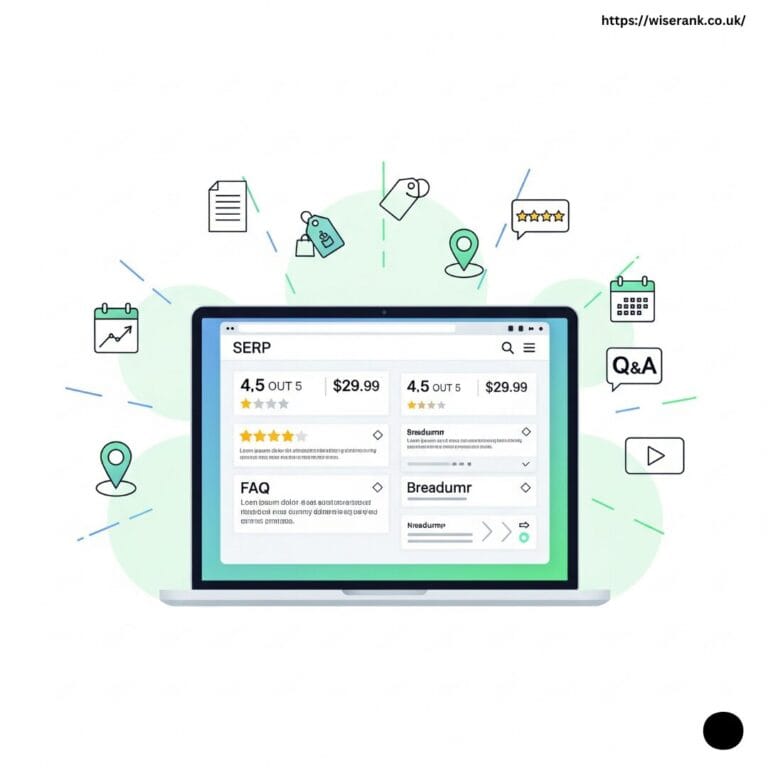
Structured data is the core of AEO success. It tells AI models exactly what each part of your page means. Structured markup plays an essential role in AEO, especially when using structured data optimization correctly.

Essential Structured Data Types
- FAQPage Schema: For question-based content and conversational queries. For large ecommerce sites, implementing ecommerce structured data further boosts AI extraction.
- HowTo Schema: For step-by-step instructional content.
- Article Schema: Adds credibility and improves inclusion in AI summaries.
- Organization Schema: Helps AI associate answers with trusted brands.
- Speakable Schema: For voice search and smart assistant integration.
Quick Tips
- Use JSON-LD format for markup (Google’s preferred method).
- Validate schema using Rich Results Test or Schema Markup Validator.
- Keep data updated — outdated schema may be ignored by AI crawlers.
4. Create Content Formats That AI Understands Best
In 2025, content formatting is as important as content itself. AI prefers structured, concise, and factual formats that can be easily read, summarized, and cited. To see which formats perform best, explore these AEO content formats that search engines favour.

Top-Performing Formats for AEO
- FAQs — Ideal for direct answers to “what,” “how,” and “why” questions.
- Lists — Work best for step-by-step and “top X” style answers.
- Tables — Useful for comparisons, pricing, or feature-based content.
- Q&A Blocks — Perfect for voice and chatbot extraction.
Why It Matters
Well-structured content helps AI systems like Google SGE, Bing Copilot, and ChatGPT extract snippets directly. Unstructured paragraphs may get overlooked even if your content is valuable.
5. Focus on Conversational and Voice Queries
Voice search and conversational AI are driving AEO’s growth. To succeed, your content must sound natural and mirror how people speak, not how they type. You can improve voice readiness with this voice search optimization framework.

How to Optimize for Voice and Chat Queries
- Use question-based headings (e.g., “What is AEO?” “How does AEO help SEO?”).
- Write short, direct answers below each heading (30–50 words).
- Include long-tail, natural-language phrases that mimic spoken questions.
- Target local and intent-based searches (e.g., “best AEO agency near me”).
Pro Tip
Voice assistants tend to cite short, factual sentences. Keep answers concise, factual, and free from fluff.
6. Strengthen E-E-A-T for AEO Trustworthiness
Answer engines prioritize trust and credibility. Your site must demonstrate Experience, Expertise, Authoritativeness, and Trustworthiness — the E-E-A-T principles Google uses for quality assessment. Maintaining trust also depends on aligning with Google’s E-E-A-T guidelines for answer visibility.

Ways to Improve E-E-A-T
- Show Real Authors: Include author bios with credentials or expertise.
- Add Sources: Link to verified data, studies, or recognized institutions.
- Include Contact and About Pages: Reinforce brand transparency.
- Display Reviews and Testimonials: Builds authority and user confidence.
Example
If you’re writing a guide on AI marketing strategies, referencing trusted sources like Semrush, Google, or HubSpot and showing your own experience signals to AI that your content is credible enough for citation.
7. Optimize for Zero-Click Searches
In a zero-click world, visibility beats traffic. Even if users don’t visit your site, being cited by answer engines boosts brand awareness and credibility. This zero-click SEO strategy helps you appear in AI-driven summaries even without clicks.

Zero-Click Optimization Checklist
- Add summary boxes at the start of articles.
- Use featured snippet-style formatting (short answers under 60 words).
- Structure content for People Also Ask (PAA) and Knowledge Panels.
- Add jump links for easy navigation and voice answer extraction.
8. Measure and Track AEO Performance
AEO success isn’t just about rankings — it’s about visibility in AI answers. You must measure metrics beyond traditional SEO KPIs. To compare both strategies, review this short SEO vs AEO comparison and understand metric differences.
Key AEO Metrics
- Answer Engine Citations: Mentions in AI overviews or summaries.
- Zero-Click Impressions: Visibility without a site visit.
- Voice Search Traffic: User queries via assistants and smart devices.
- Content Extraction Rates: Pages included in featured snippets or AI boxes.
- Engagement Time: Dwell time and session quality post-AEO implementation.
Tools to Use
- Google Search Console: For impressions and snippet tracking.
- Bing Webmaster Tools: For AI-driven visibility data.
- Answer The Public or AlsoAsked: To find conversational question opportunities.
9. Update and Refresh Content Frequently
AI models favor fresh, accurate information. Outdated facts reduce your chances of being cited by answer engines.
How to Maintain Freshness
- Review high-traffic articles every 3–6 months.
- Update statistics, case studies, and examples regularly.
- Revalidate schema and internal links.
- Add new FAQs when search trends change.
10. Prepare for the AI-Driven Future of Search
AI-driven search will continue to evolve through LLMs, voice commerce, and personalized results. Businesses that adopt AEO now will dominate visibility later. Stay prepared for search evolution using insights from AI search trends shaping future AEO.
Future-Proofing Tips
- Monitor updates to Google’s Search Generative Experience (SGE).
- Optimize for multi-device results (desktop, mobile, voice, smart displays).
- Combine SEO + AEO strategies to balance traffic and brand exposure.
- Experiment with AI content validation tools for factual accuracy.
11. Building a Long-Term AEO and SEO Integration Plan
AEO and SEO work best when combined into one unified digital strategy. While SEO builds your site’s visibility, AEO ensures your content gets chosen as the answer. Integrating both creates a powerful, sustainable search ecosystem.
Align SEO Keyword Research with AEO Question Mapping
Start by pairing keyword data from your SEO tools with the conversational queries users ask. This helps you target both search intent and answer intent, ensuring your content ranks and gets cited.
Sync SEO Content Calendars with AEO Topics
Plan your content schedule around both evergreen keywords and trending questions. This dual strategy keeps your pages discoverable through search and relevant for AI-generated answers.
Map Technical SEO Audits to AEO Schema Checks
Combine your SEO audits with schema validations. Every time you review Core Web Vitals or crawl reports, also test FAQPage, HowTo, and Speakable schema for full AEO compatibility.
Integrate Analytics for SEO and AEO Metrics
Use analytics to measure both traditional SEO performance and answer engine visibility. Track impressions, zero-click appearances, and AI citations to see how your combined strategy performs.
Create Unified Workflows Between SEO and AEO Teams
Encourage collaboration between SEO specialists and AEO strategists. Shared goals, checklists, and dashboards ensure every page is optimized for both ranking and answer extraction.
12. Common AEO Mistakes Businesses Should Avoid
Even the best AEO strategy can fail if common mistakes go unnoticed. Avoiding these errors ensures your website stays visible and reliable in AI-driven search results. Many extraction errors can be prevented by reviewing structured data for AEO regularly.
Top Mistakes to Avoid
- Skipping Structured Data Validation
Many sites add schema but never test it. Always validate your structured data using Google’s Rich Results Test to ensure accuracy and eligibility for answer engines. - Relying Too Much on Keywords Instead of Entities
Keyword stuffing no longer works. Focus on entities — people, products, and topics — to give context and depth to your content for semantic search. - Creating Content Only for Algorithms
Writing robotic or overly optimized content harms readability. Always balance machine-readability with natural human tone and clarity. - Ignoring Regular Content Updates
AI engines prioritize freshness. Update statistics, schema, and references regularly to stay relevant in 2025’s fast-changing search landscape. - Neglecting Mobile and Voice Optimization
Voice search queries dominate answer engines. Ensure mobile performance, conversational phrasing, and voice-friendly formatting are part of your workflow. - Failing to Track AEO Metrics
Visibility without measurement limits progress. Use analytics to track answer citations, impressions, and voice-driven sessions — not just rankings. - Overlooking Internal Linking and Topic Clusters
Disconnected content weakens authority. Build internal connections between FAQ pages, guides, and topic hubs to help answer engines understand your expertise. - Not Reviewing Schema Versions or Errors
Outdated or incorrect schema versions can cause extraction errors. Review your structured data quarterly to maintain compatibility with evolving AI crawlers.
Conclusion: Make 2025 the Year of Answer-First Optimization
AEO is not replacing SEO — it’s enhancing it. Traditional SEO gets your content discovered, but AEO ensures it gets chosen as the answer.
By following this AEO checklist, you’ll align your content with how modern search actually works — through entities, voice queries, structured data, and semantic meaning. Whether you’re optimizing for Google, Bing, or AI assistants, this strategy helps your brand stay visible, trusted, and future-ready.